
Anker SOLIX C800 vs EcoFlow RIVER 2 Pro
768 Wh vs 768 Wh, with capacity, output, solar, weight, confidence, and source links visible.
Source-linked Anker SOLIX model records for runtime planning, capacity comparison, output limits, charging input, and visible data gaps.
Source-aware comparison pages pair Anker SOLIX models with nearby alternatives using the same runtime assumptions on both sides.
768 Wh vs 768 Wh, with capacity, output, solar, weight, confidence, and source links visible.
2,048 Wh vs 1,516 Wh, with capacity, output, solar, weight, confidence, and source links visible.
286 Wh vs 288 Wh, with capacity, output, solar, weight, confidence, and source links visible.
205 Wh vs 288 Wh, with capacity, output, solar, weight, confidence, and source links visible.
2,074 Wh vs 2,560 Wh, with capacity, output, solar, weight, confidence, and source links visible.
3,840 Wh vs 3,994 Wh, with capacity, output, solar, weight, confidence, and source links visible.
768 Wh vs 640 Wh, with capacity, output, solar, weight, confidence, and source links visible.
504 Wh vs 768 Wh, with capacity, output, solar, weight, confidence, and source links visible.
1,056 Wh vs 1,024 Wh, with capacity, output, solar, weight, confidence, and source links visible.
1,056 Wh vs 1,070 Wh, with capacity, output, solar, weight, confidence, and source links visible.
1,056 Wh vs 1,152 Wh, with capacity, output, solar, weight, confidence, and source links visible.
1,024 Wh vs 1,056 Wh, with capacity, output, solar, weight, confidence, and source links visible.
288 Wh vs 245 Wh, with capacity, output, solar, weight, confidence, and source links visible.
768 Wh vs 768 Wh, with capacity, output, solar, weight, confidence, and source links visible.
Tracked model records
Capacity range in current source-linked data
Highest known AC output in this brand set
Comparison spec coverage for tracked fields
These notes are generated from the current source-linked model records and should be rechecked before buying decisions.
89% of tracked surge, DC, USB-C, solar, and weight fields are filled for Anker SOLIX. 9 of 20 records have all five fields complete.
F3800 is the largest current Anker SOLIX record at 3,840 Wh.
F3800 Plus has the highest tracked solar input in this brand set at 3,200 W.
All tracked records in this brand set use LFP or LiFePO4 chemistry.
The most recent source check in this brand set is 2026-09-04. 9 of 20 records carry the verified label; the rest stay estimated until every required field has an official figure.
C300 is the lightest tracked AC-output record with tracked weight at 4.13 kg.
Sorted from smaller grab-and-go stations to larger outage and RV backup candidates.
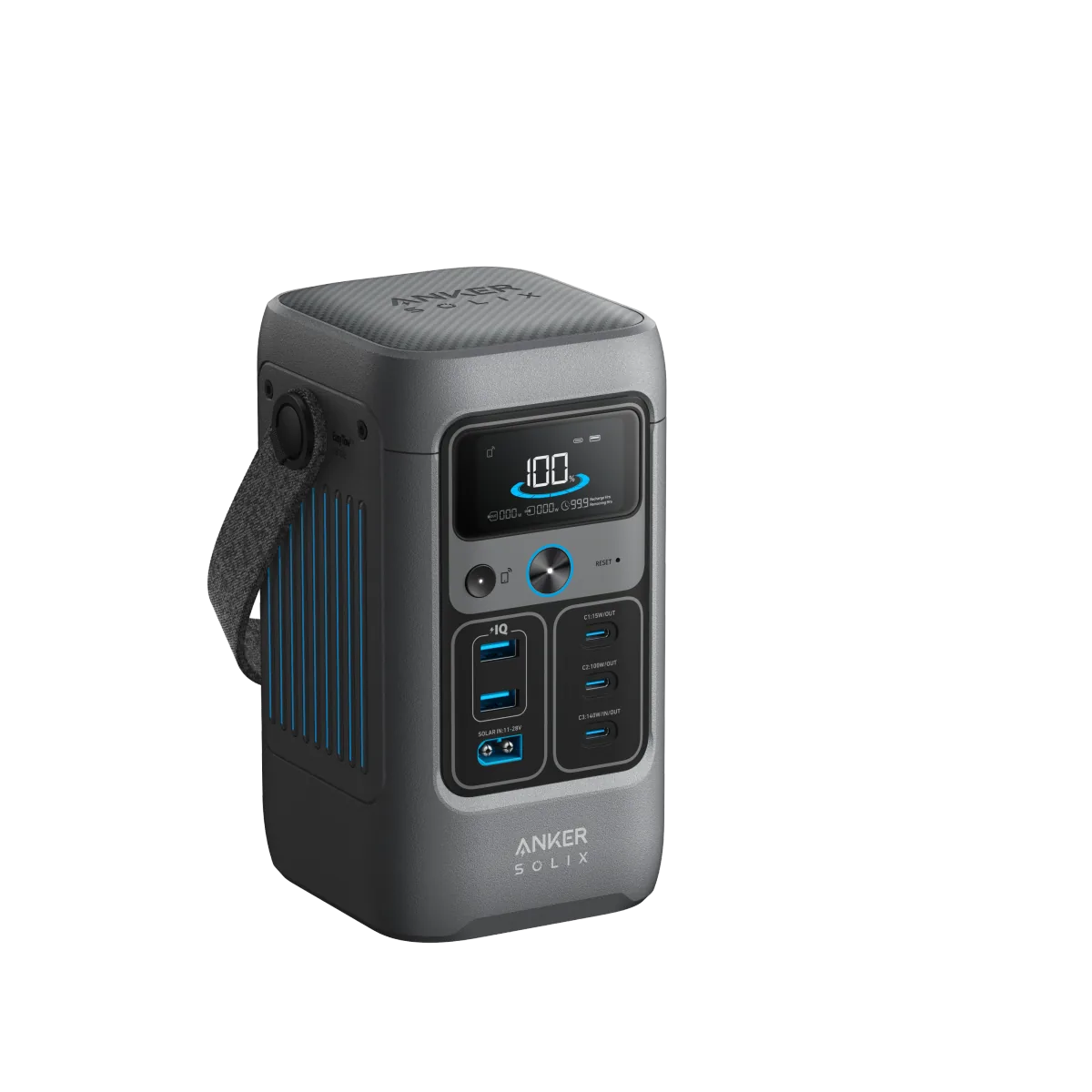
192 Wh, unknown AC output, 100 W solar input.
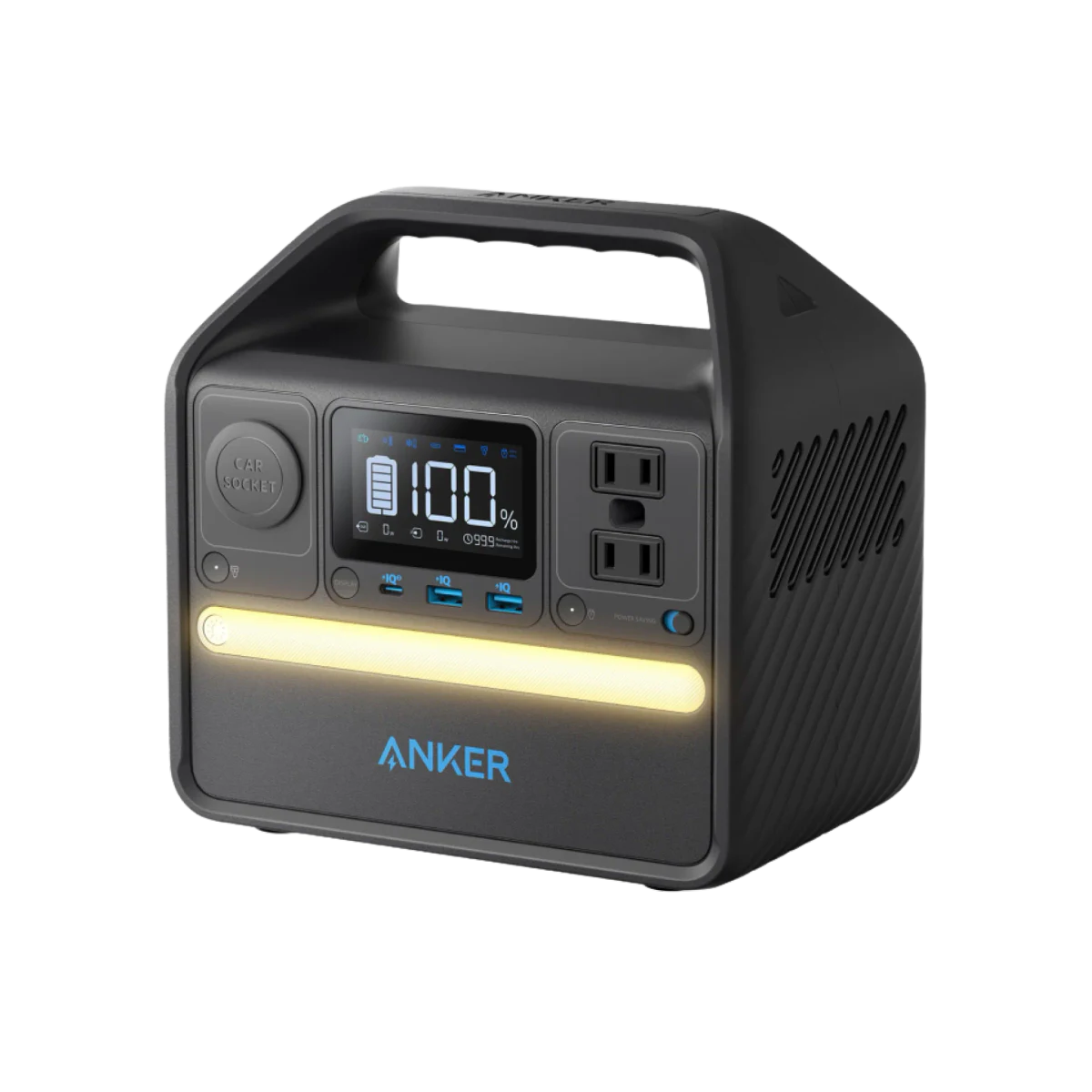
256 Wh, 200 W AC output, 65 W solar input.
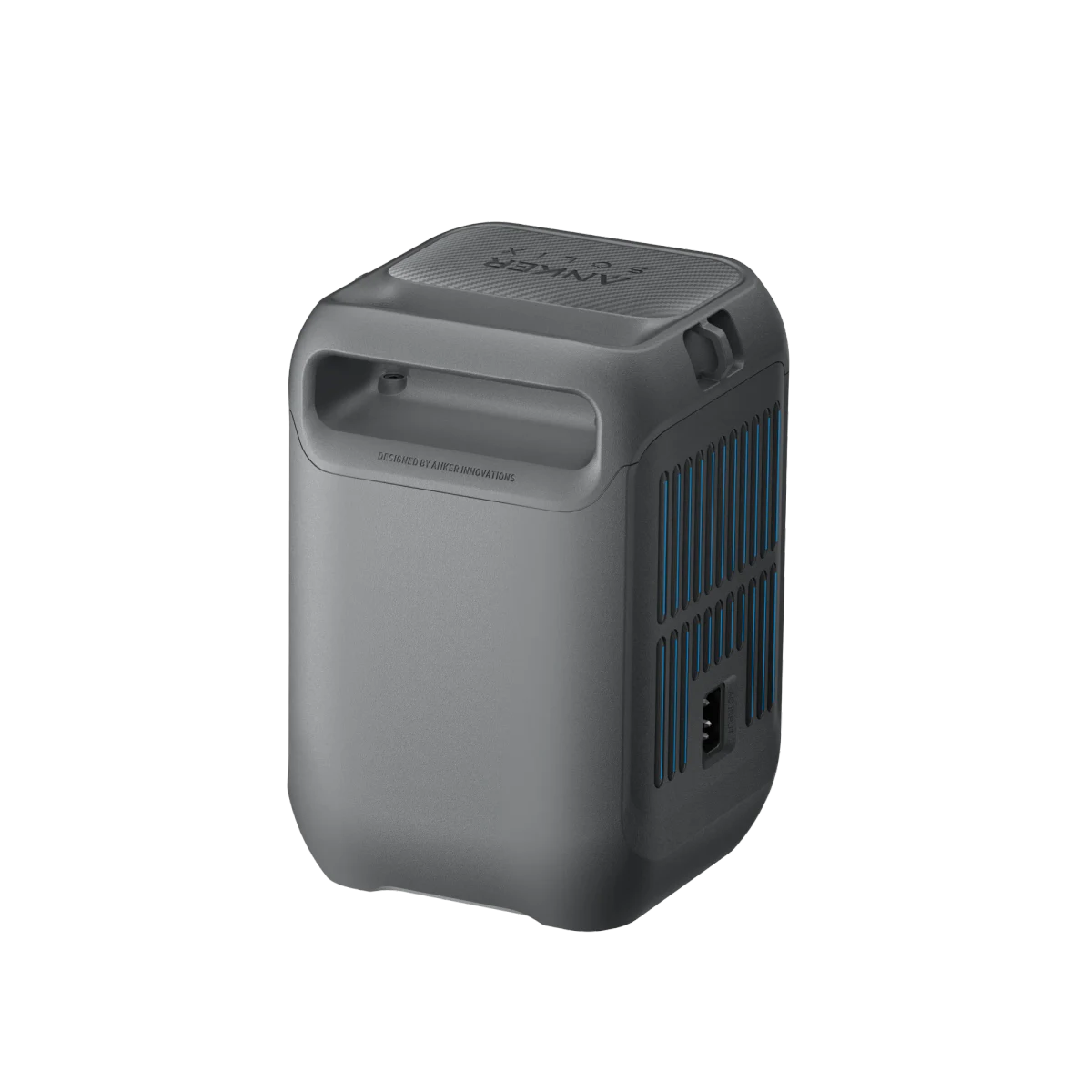
288 Wh, 300 W AC output, 100 W solar input.
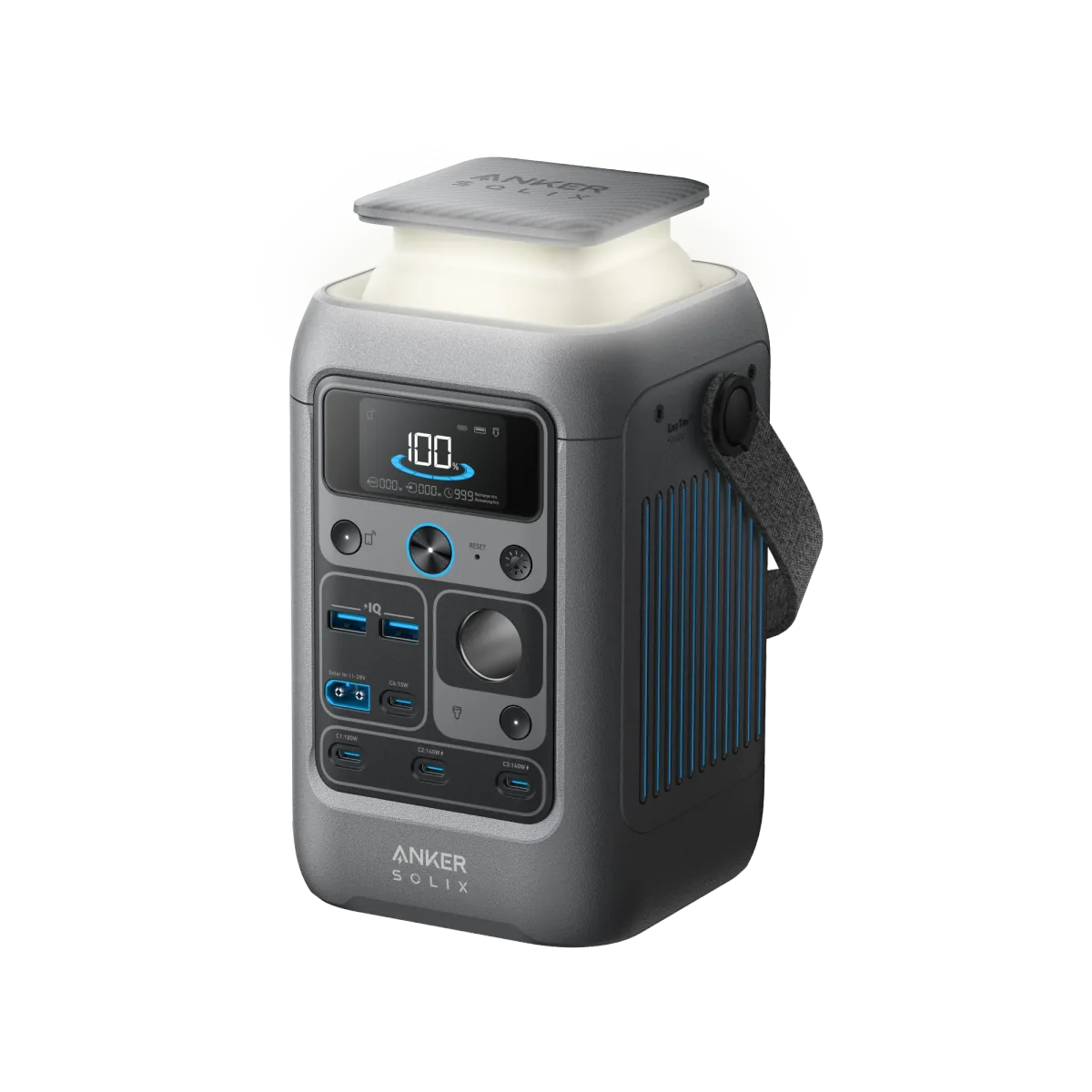
288 Wh, unknown AC output, 100 W solar input.
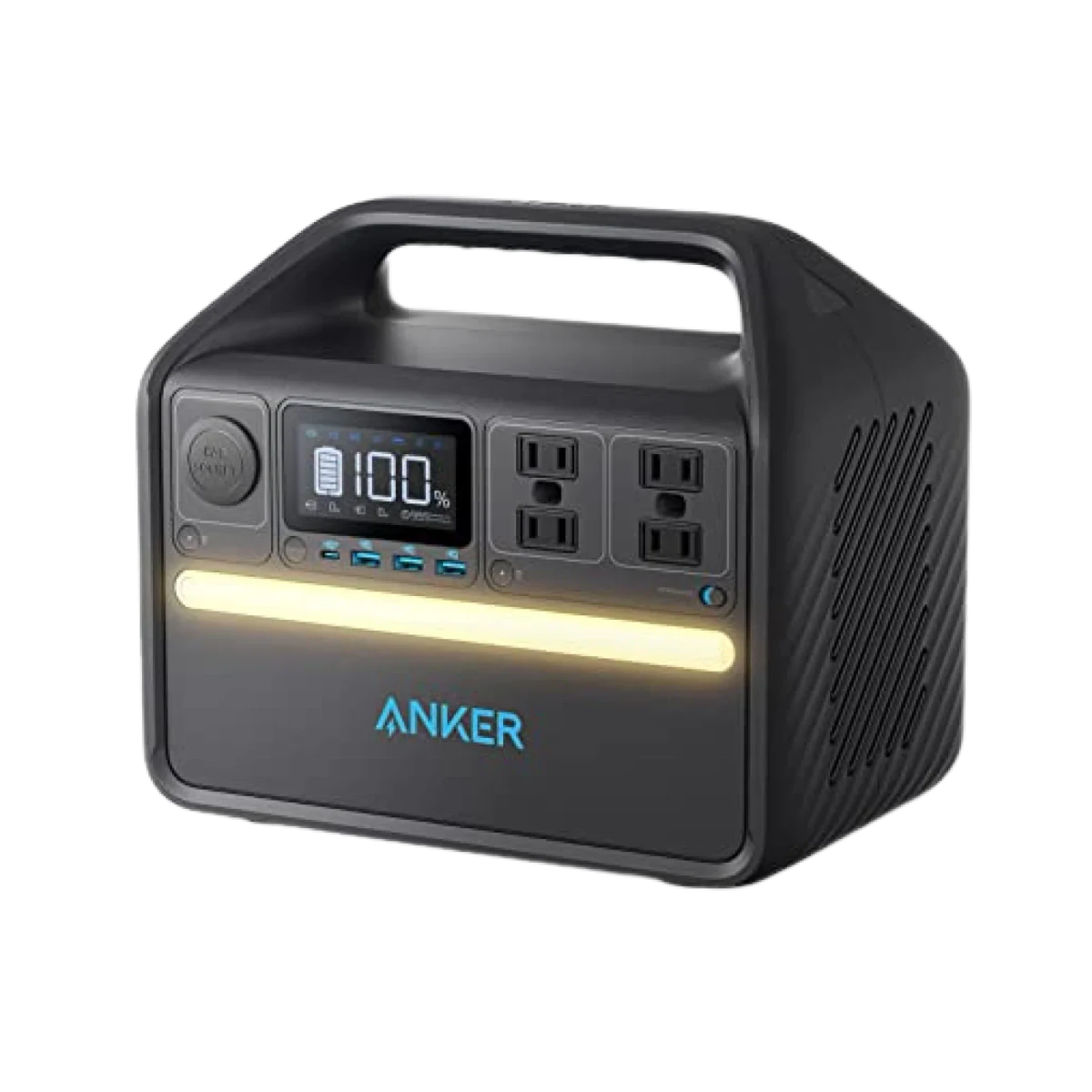
512 Wh, 500 W AC output, 120 W solar input.
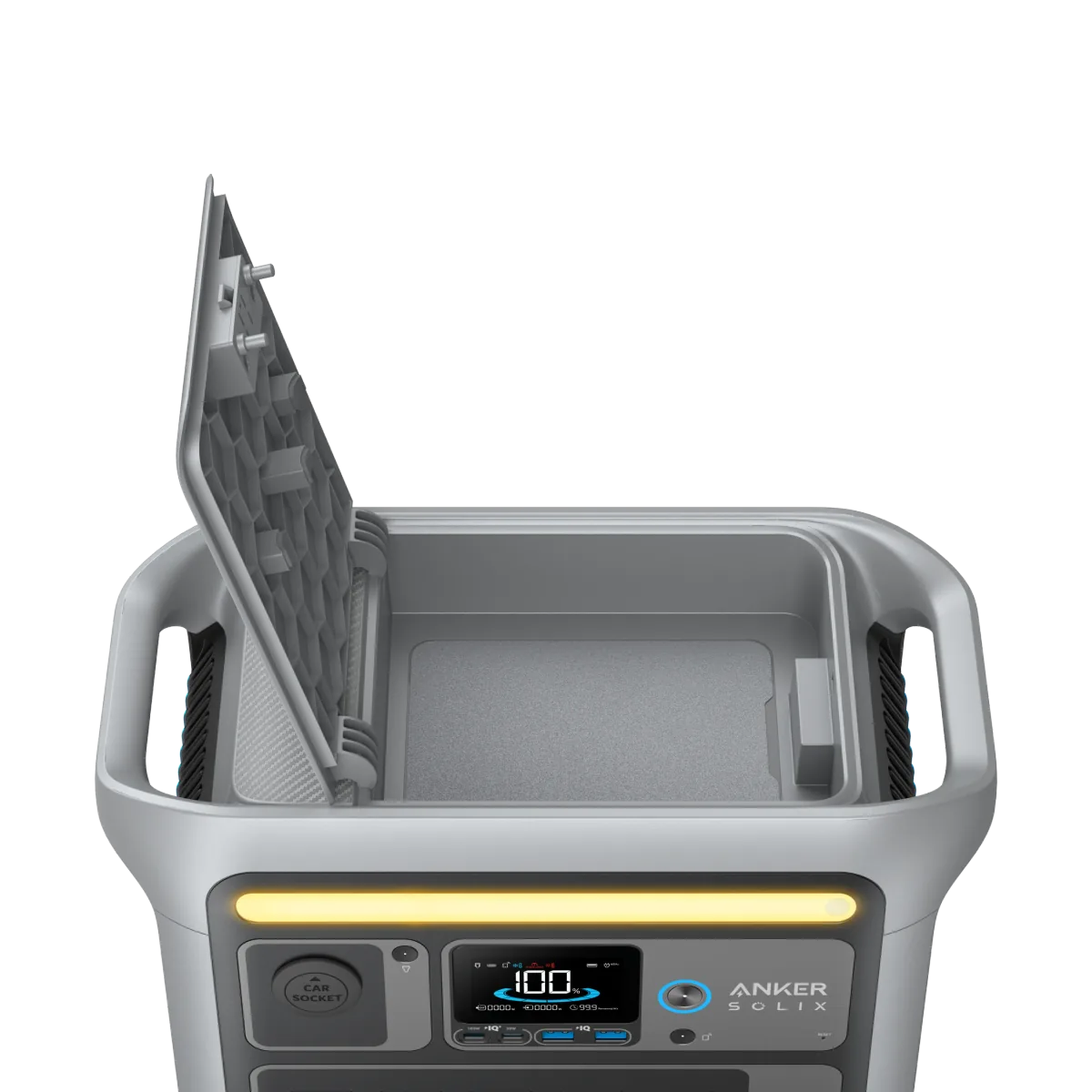
768 Wh, 1,200 W AC output, 300 W solar input.
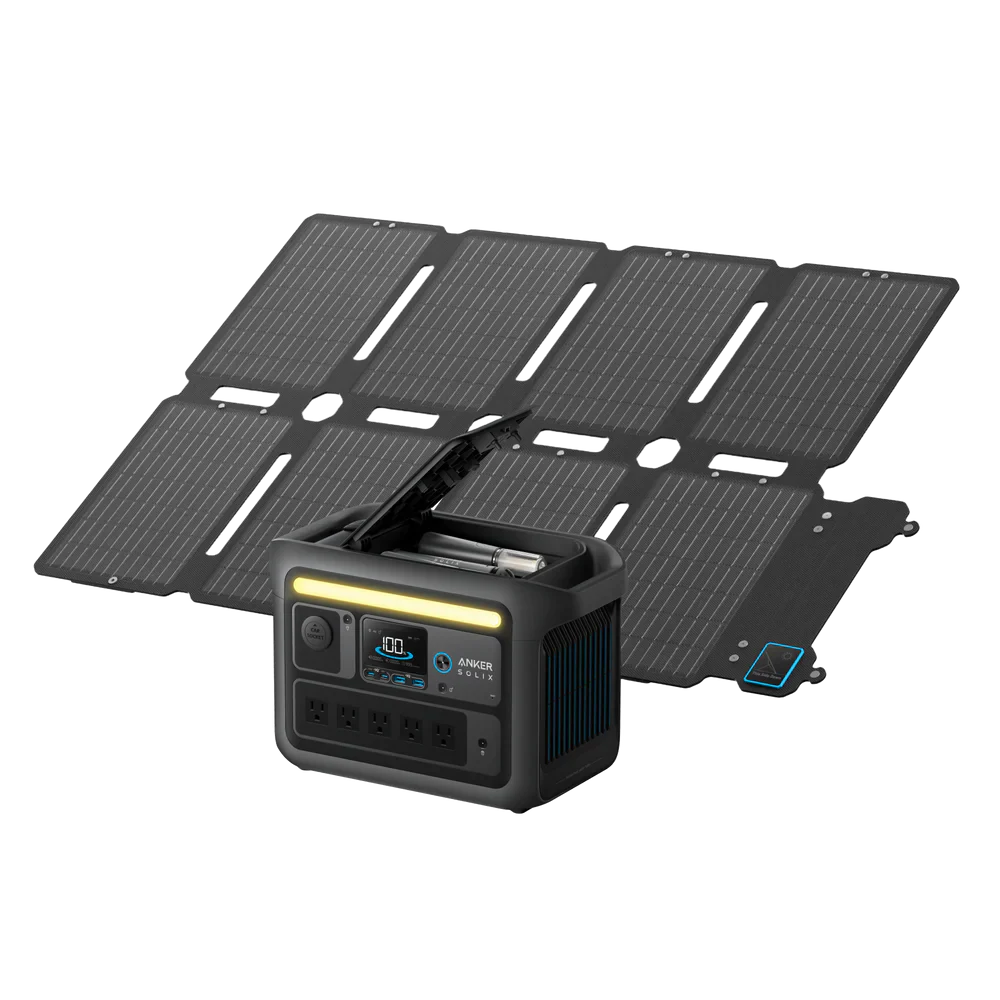
768 Wh, 1,200 W AC output, 300 W solar input.
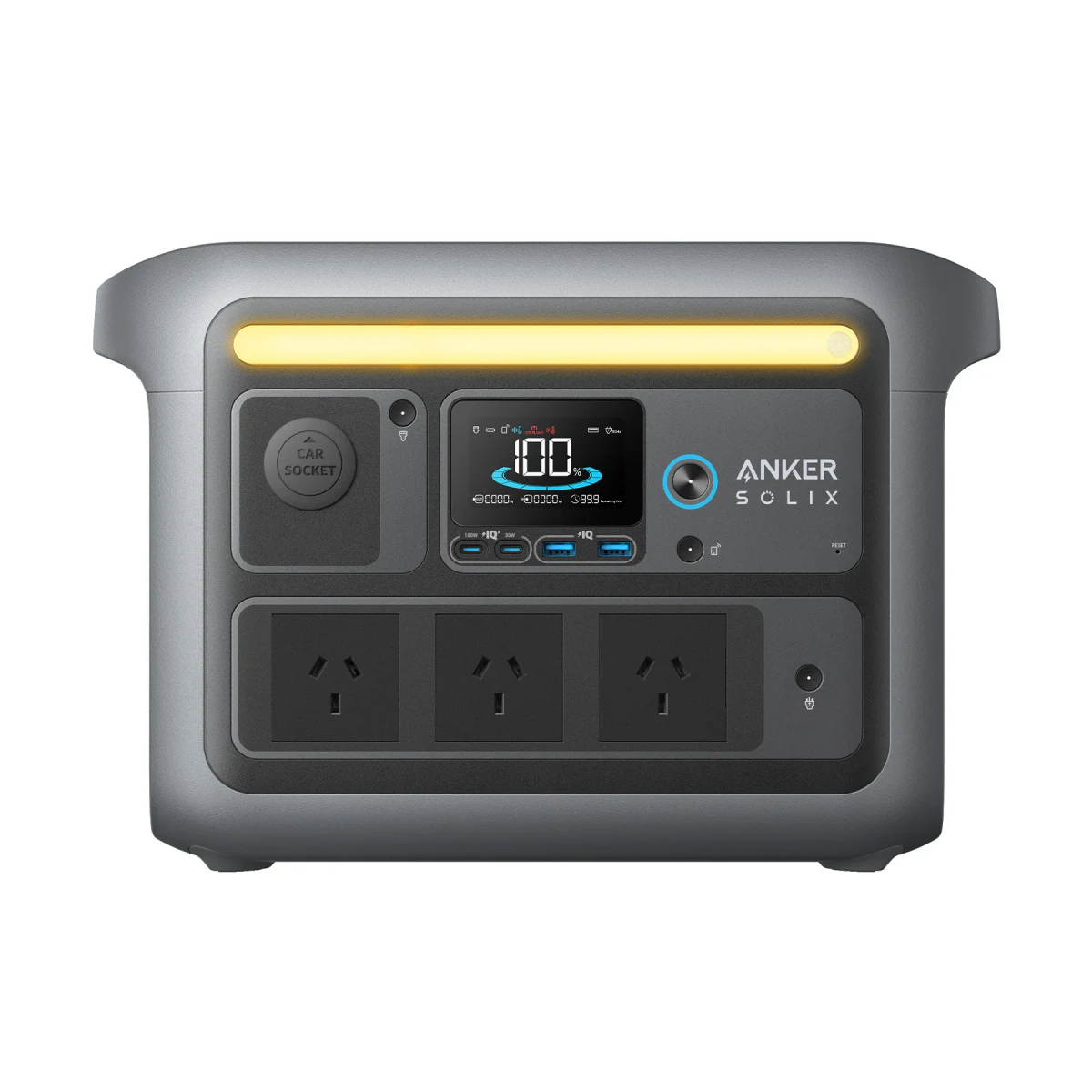
768 Wh, 1,200 W AC output, 300 W solar input.
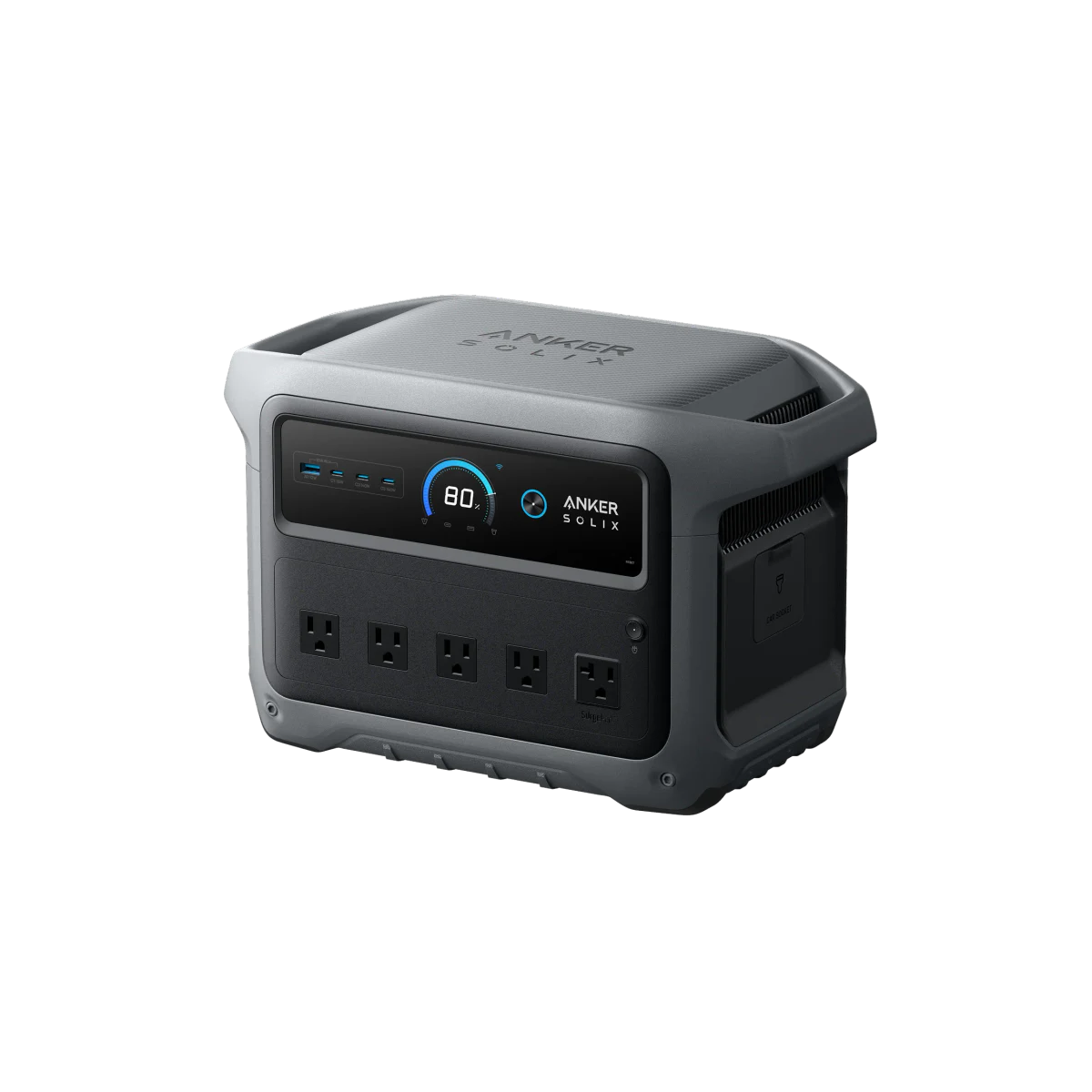
1,024 Wh, 2,000 W AC output, 600 W solar input.
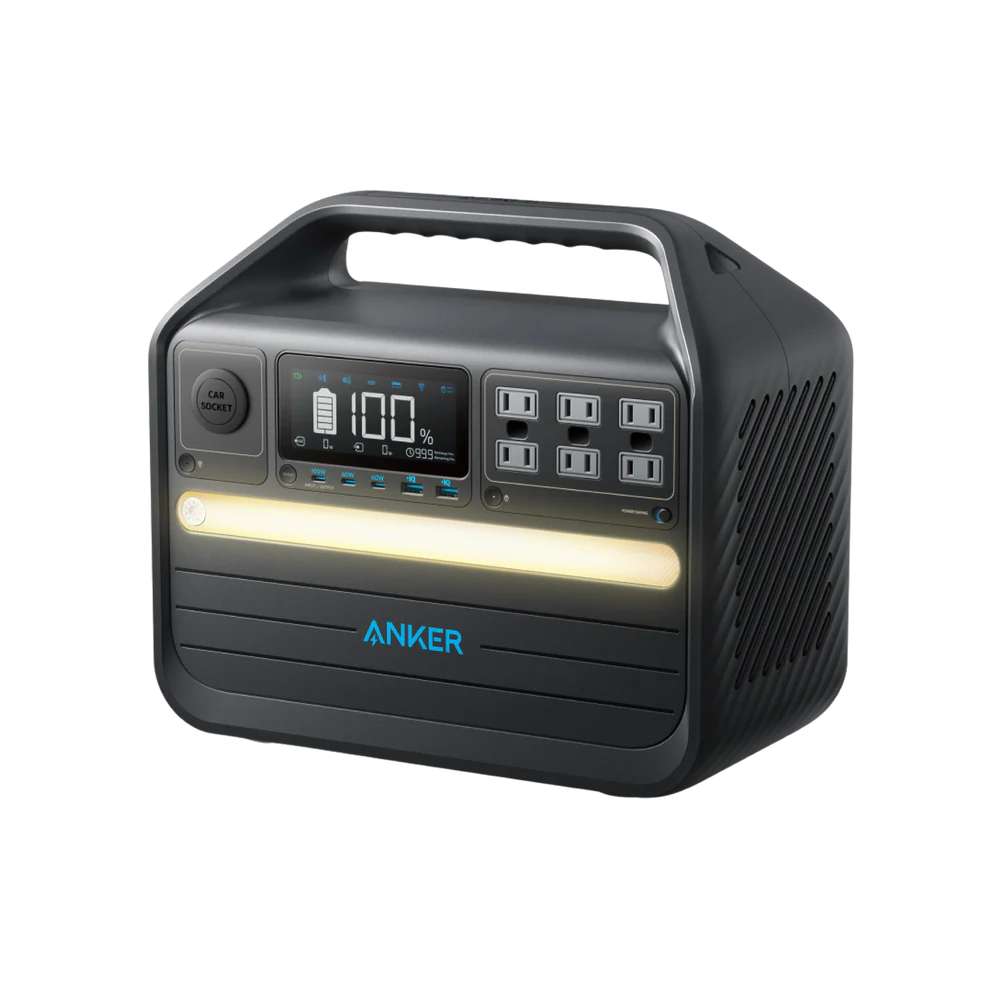
1,024 Wh, 1,000 W AC output, 200 W solar input.
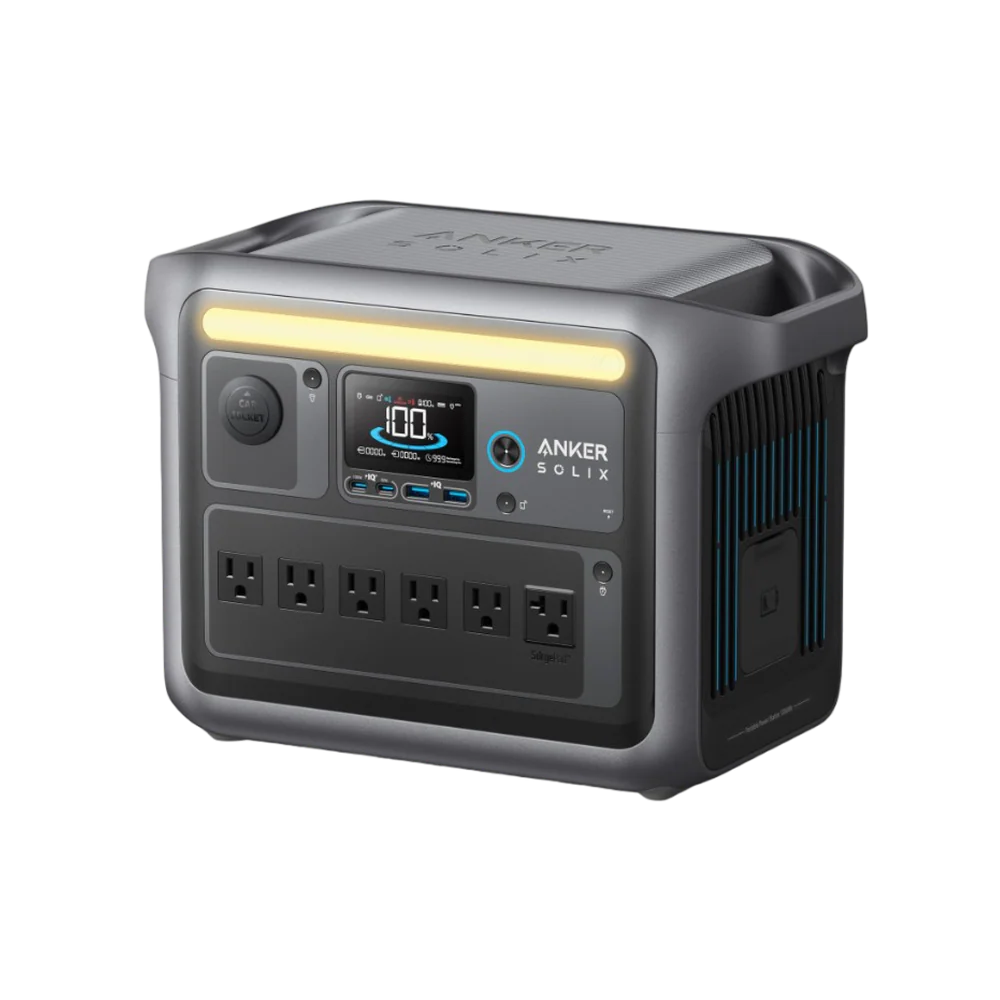
1,056 Wh, 1,800 W AC output, 600 W solar input.
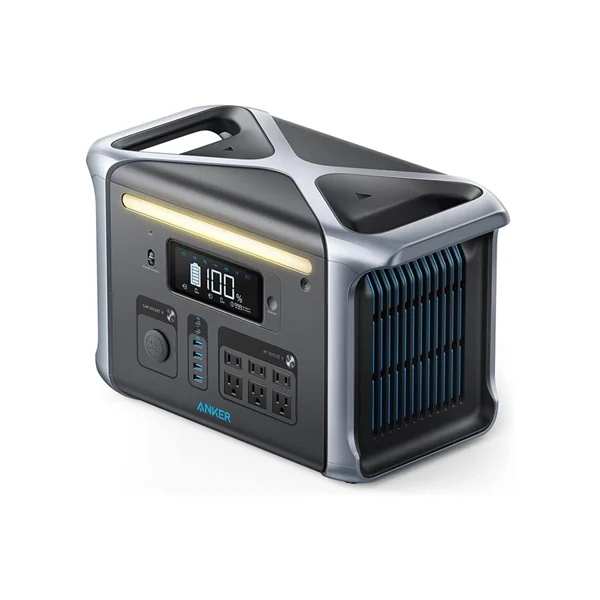
1,229 Wh, 1,800 W AC output, 600 W solar input.
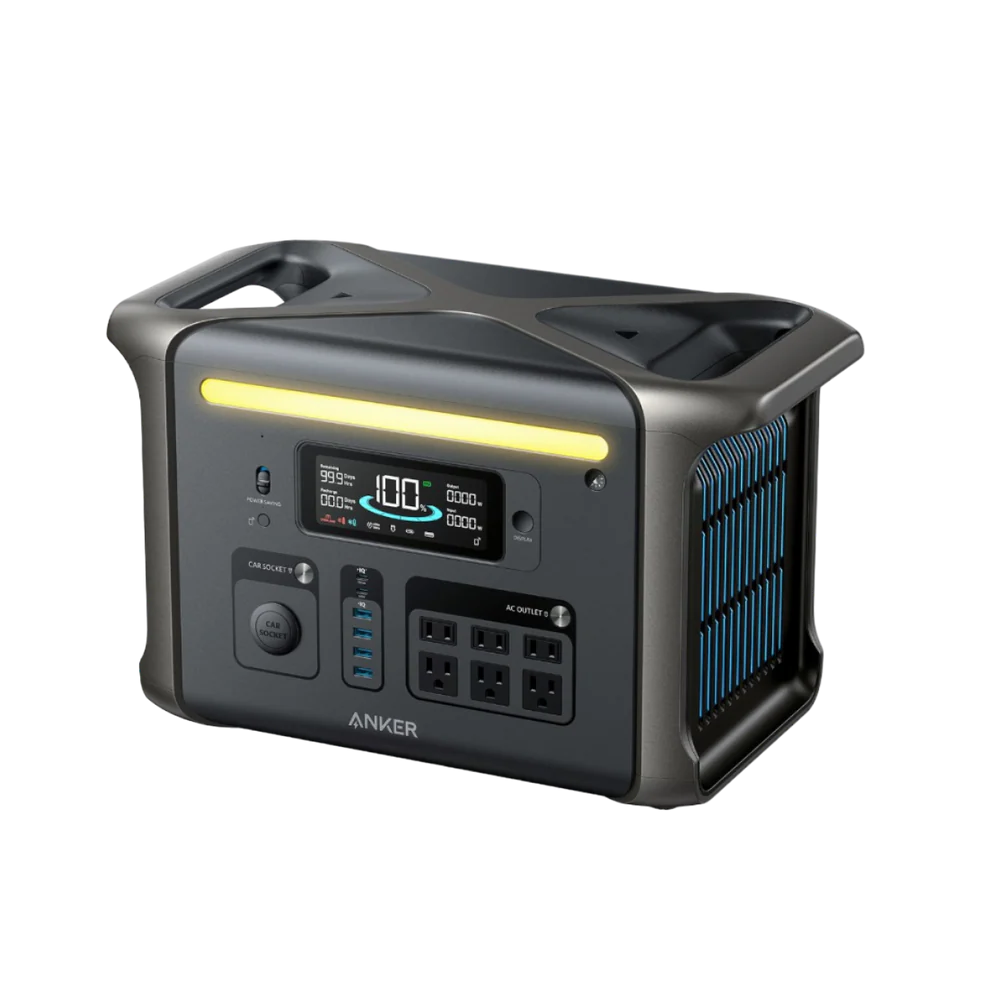
1,536 Wh, 1,800 W AC output, 600 W solar input.
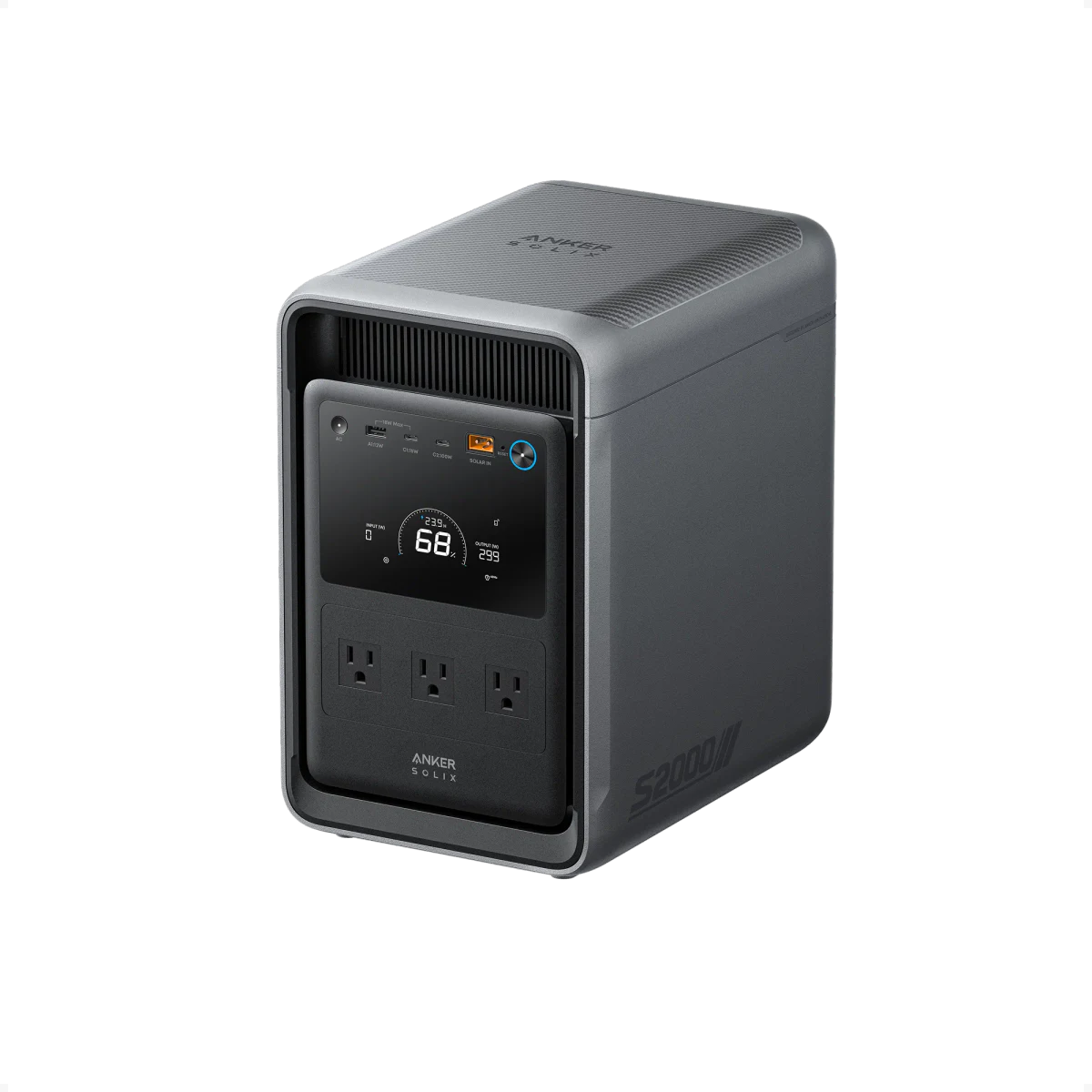
2,010 Wh, 1,500 W AC output, 400 W solar input.
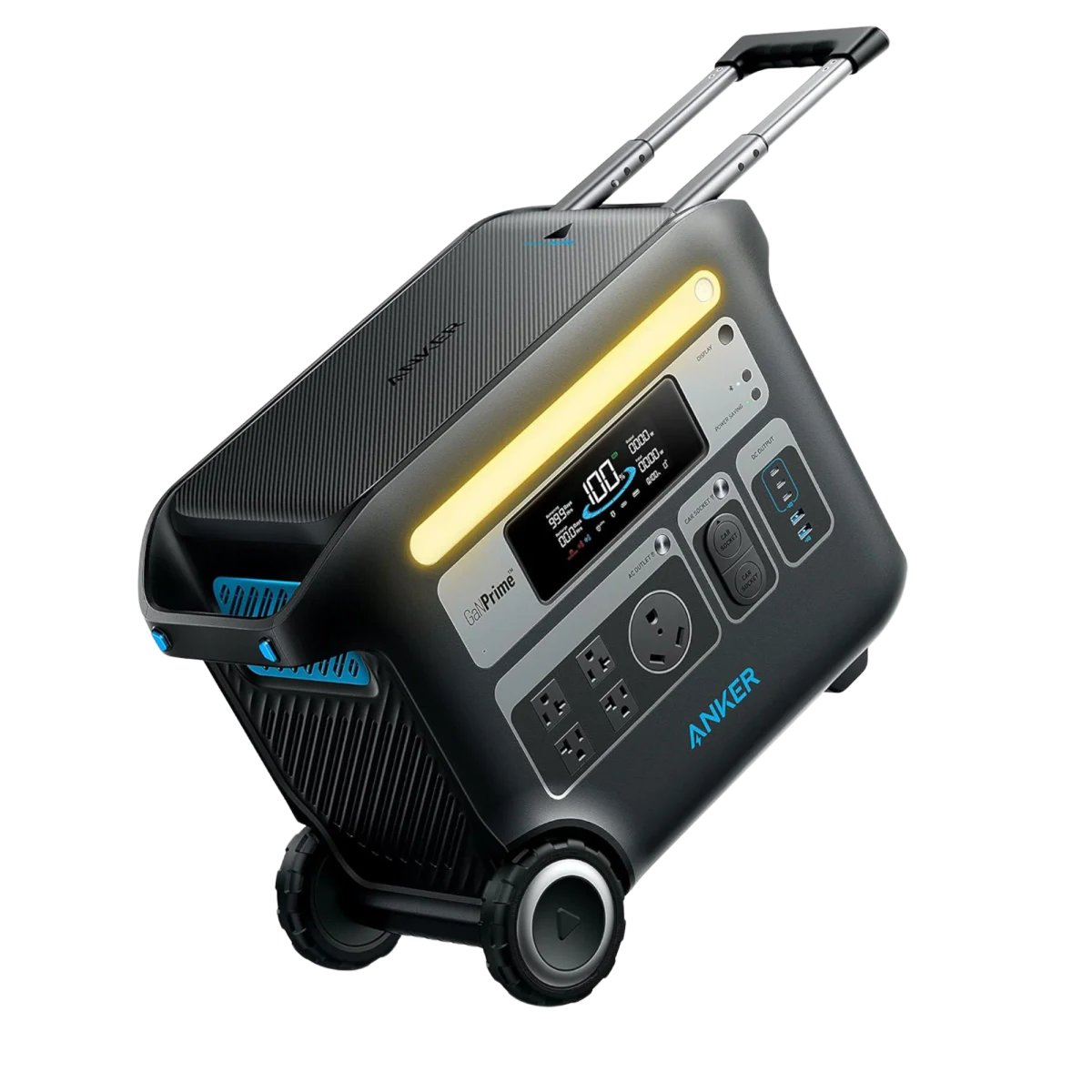
2,048 Wh, 2,400 W AC output, 1,000 W solar input.
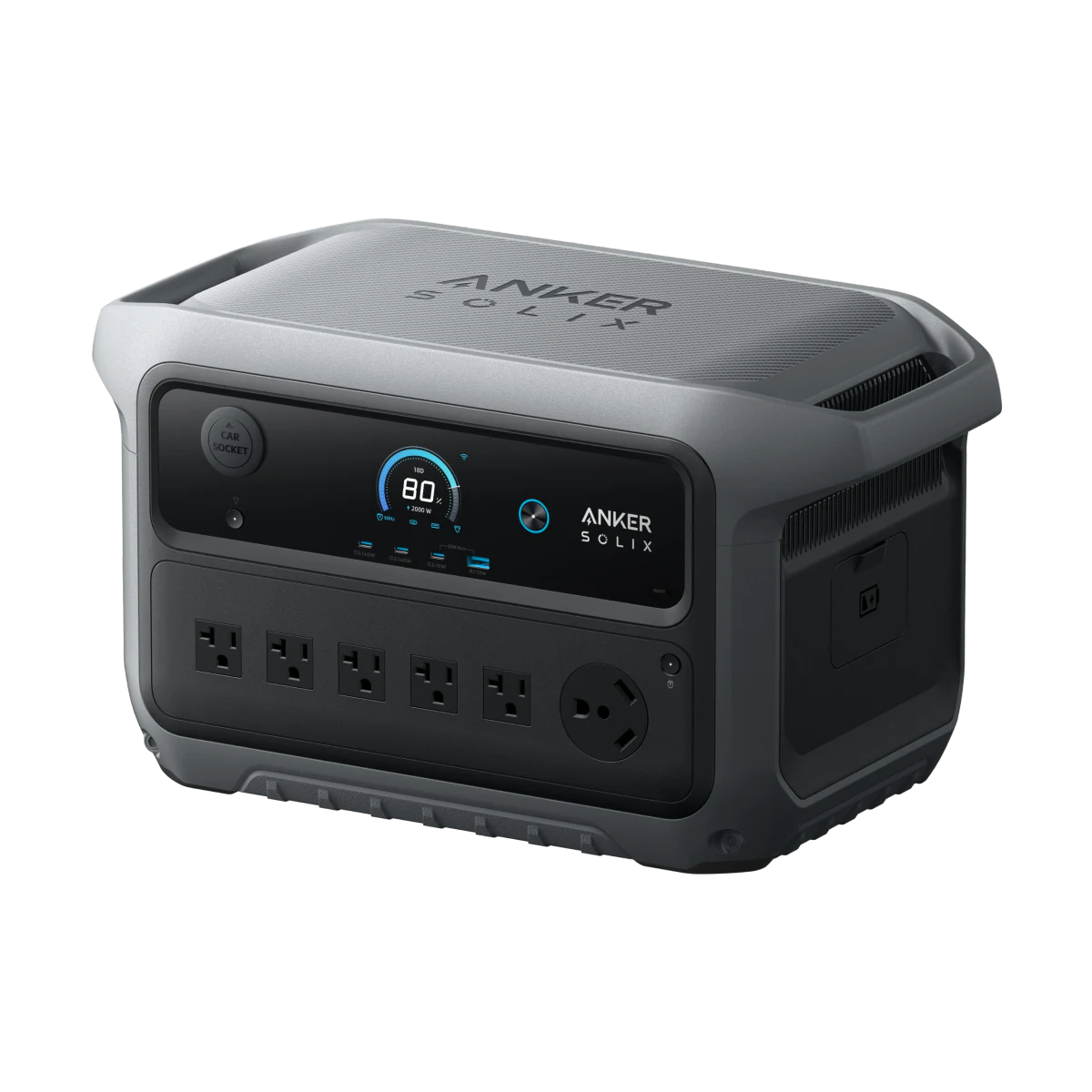
2,048 Wh, 2,400 W AC output, 800 W solar input.
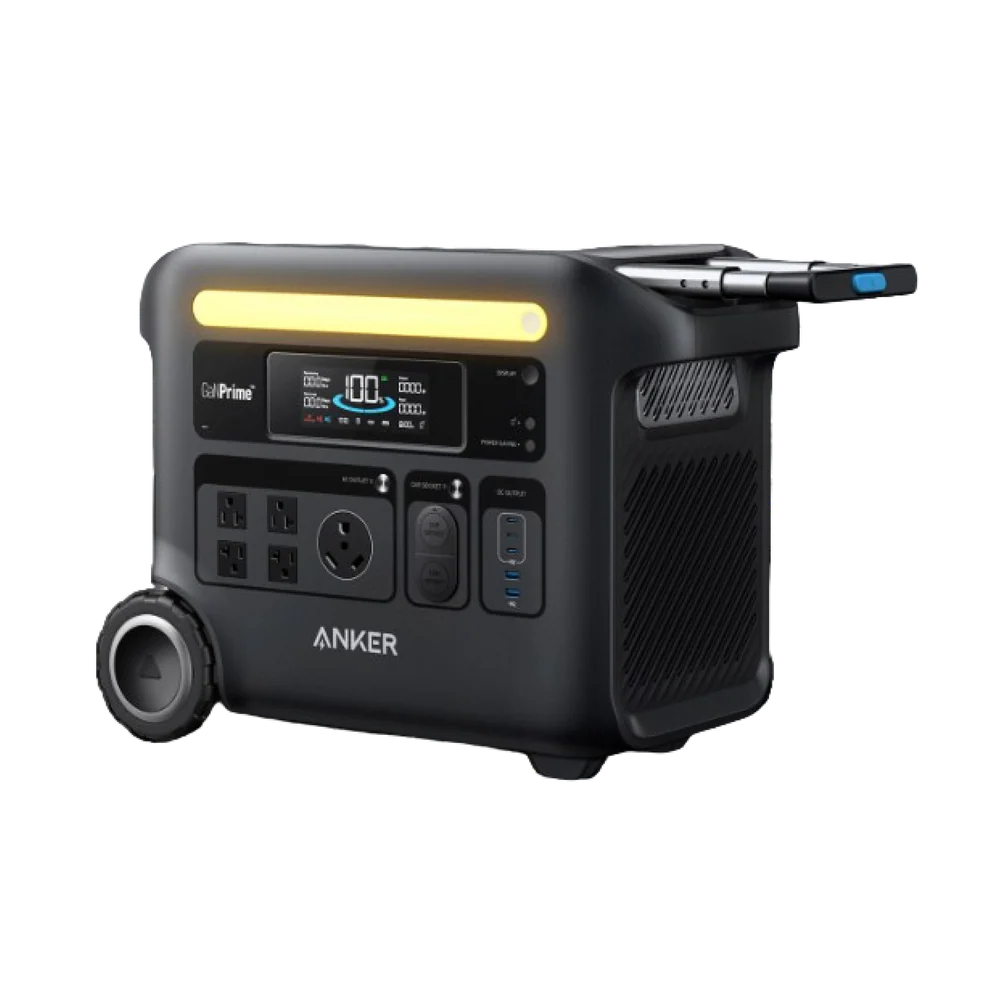
2,560 Wh, 2,400 W AC output, 1,000 W solar input.
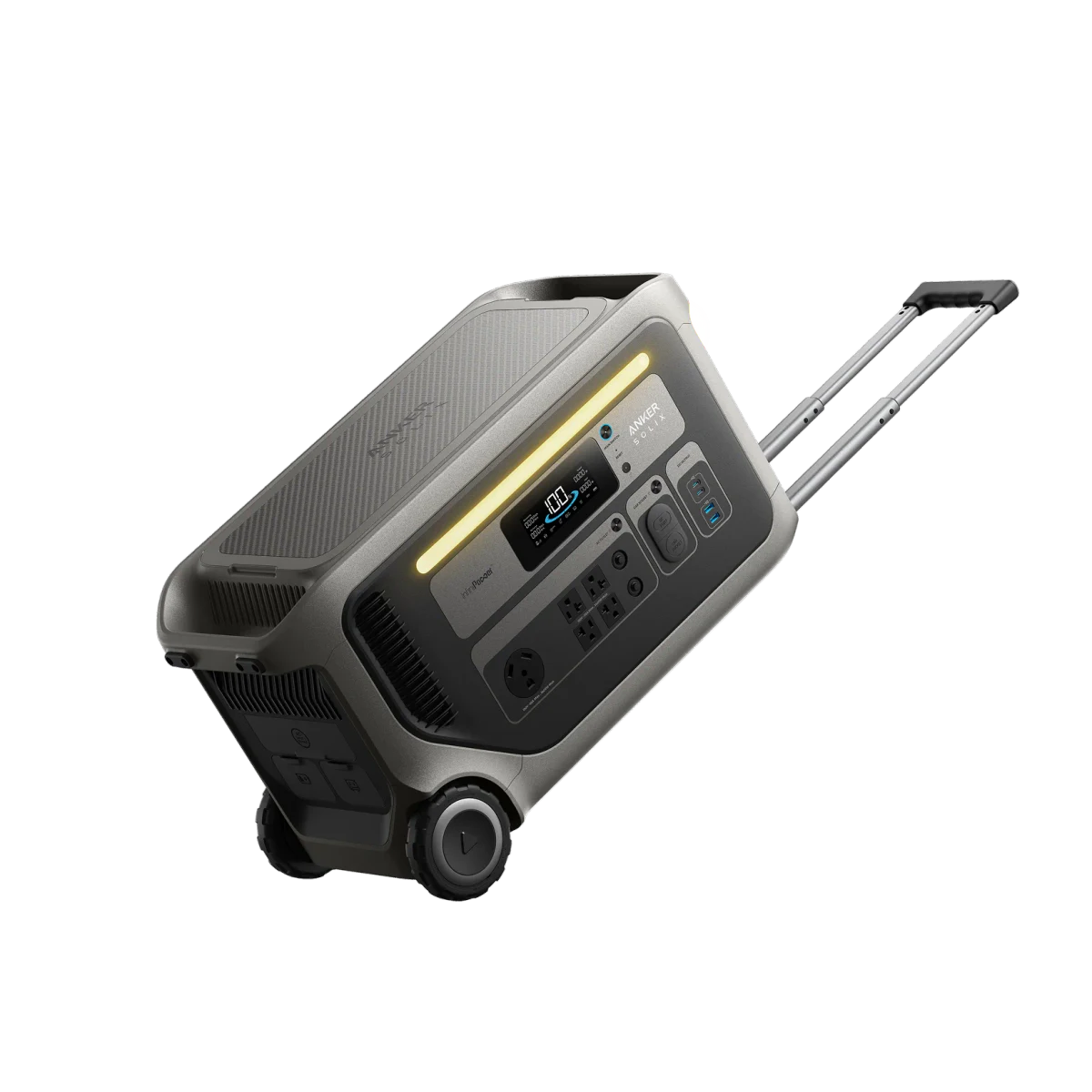
3,072 Wh, 3,600 W AC output, 2,400 W solar input.
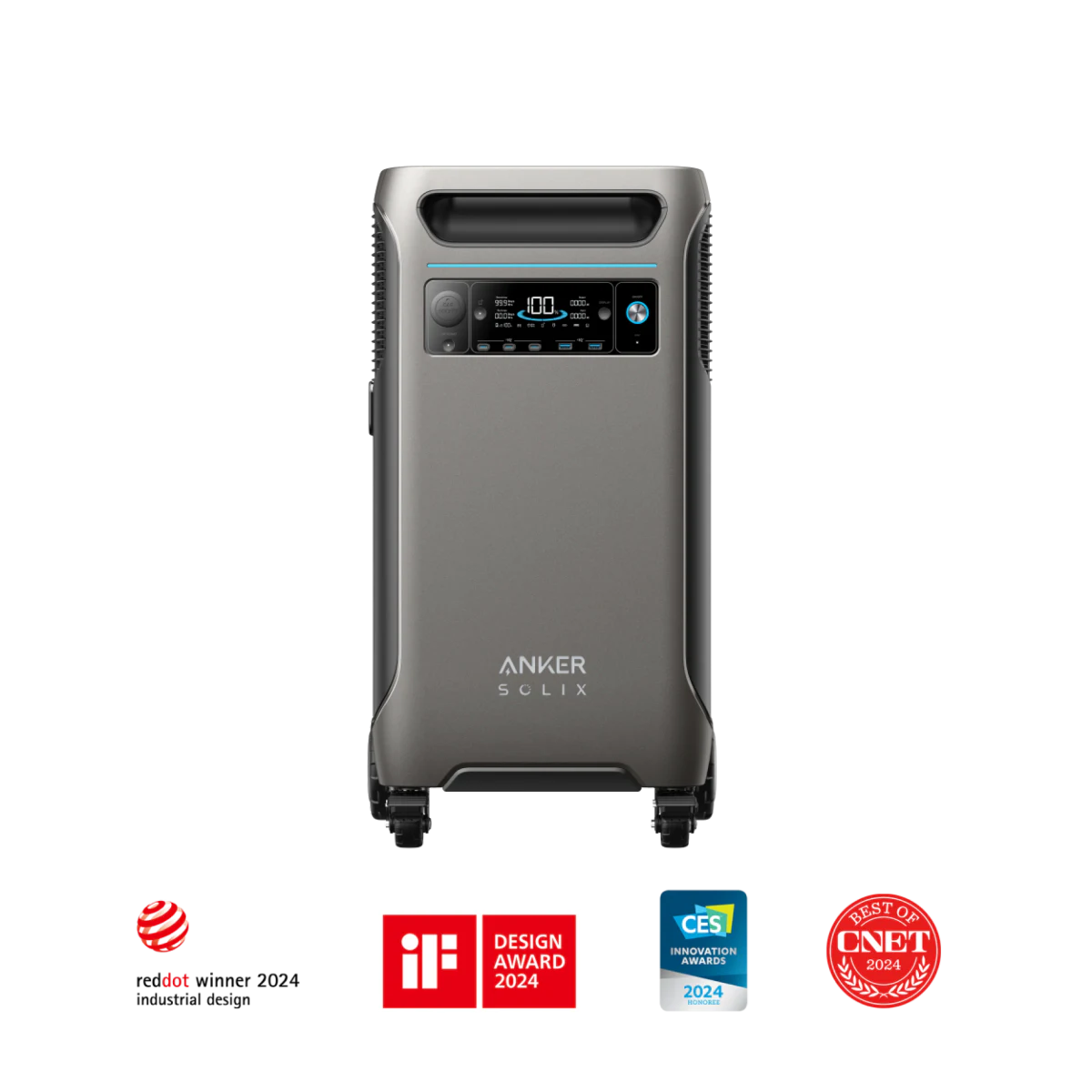
3,840 Wh, 6,000 W AC output, 2,400 W solar input.
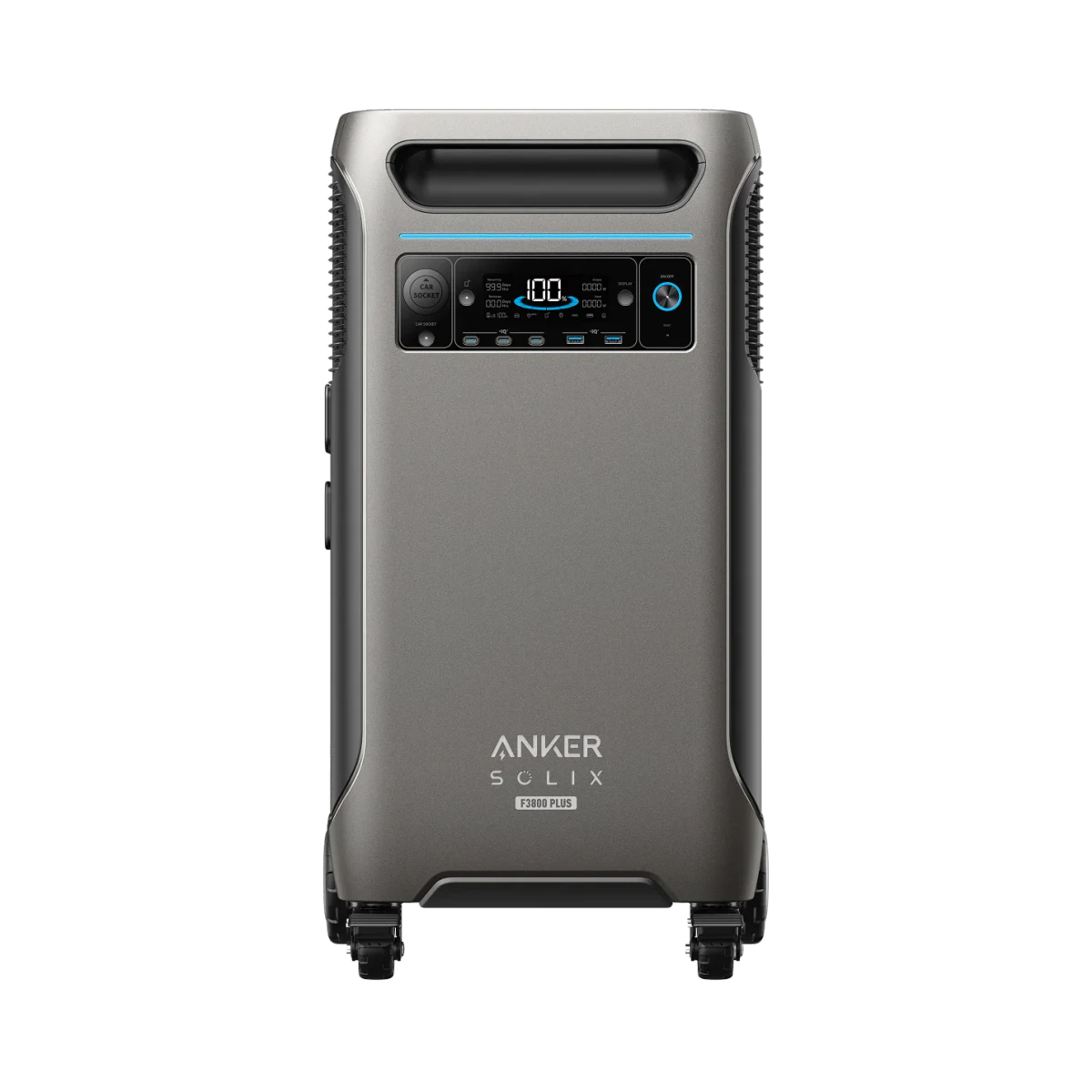
3,840 Wh, 6,000 W AC output, 3,200 W solar input.
Unknown fields stay visible so the brand hub does not imply precision the current source set does not support.
| Model | Fields still unknown |
|---|---|
| 521 PowerHouse | surge |
| C300 | surge |
| 535 PowerHouse | surge |
| C800 | surge |
| C800X | surge |
| C800 Plus | surge |
| 555 PowerHouse | surge |
| C1000 | surge |
| 757 PowerHouse | surge |
| F2000 | surge |
| F3800 Plus | surge |
Brand hubs stay conservative: key comparison fields need an official product page, manual, manufacturer support page, or clearly noted verification fallback.