
Menu
Starlink Mini Battery Calculator
Starlink Mini planning depends on draw, delivery path, USB-C PD headroom, DC conversion, battery size, and daily solar offset.
Loading Starlink calculatorPreparing calculator
This tool didn't load
Something blocked the calculator from starting. Check your connection or reload the page to try again.
Power station preset
Power draw preset
Delivery path
Use a USB-C PD source with enough voltage and headroom for boot.
Runtime estimate
1d 2hRuntime estimate: 1d 2hBased on 32 W average draw and 92% delivery efficiency.
Usable energy837 Wh
Daily need256 Wh
Daily solar280 Wh
Days with solaroffset
Conservative19h 37m
Estimated1d 2h
Optimistic1d 7h
Sensitivity scenarios, not a measured confidence interval: the endpoints change planning assumptions or apply the stated planning factors. They are not a guarantee or a probability of achieving this runtime.
- Starlink publishes 25-40 W average Mini consumption; the typical preset uses 32 W as the midpoint. Check the Starlink Mini spec sheet before critical planning.
- Target a USB-C PD source around 100 W with 20 V / 5 A headroom. Low-power USB-C banks can fail even when total Wh looks adequate.
- Starlink Mini draw varies with firmware, heat, sky view, boot, cable losses, and network conditions.
Kit Readiness
Selected station: Jackery Explorer 1000 v2. Use the station display and Starlink app to adjust the draw and efficiency after a real test.
What To Check Next
Source-Backed Station Starting Points
These records clear the selected delivery path output target and a one-day Starlink Mini energy need with your reserve assumption.
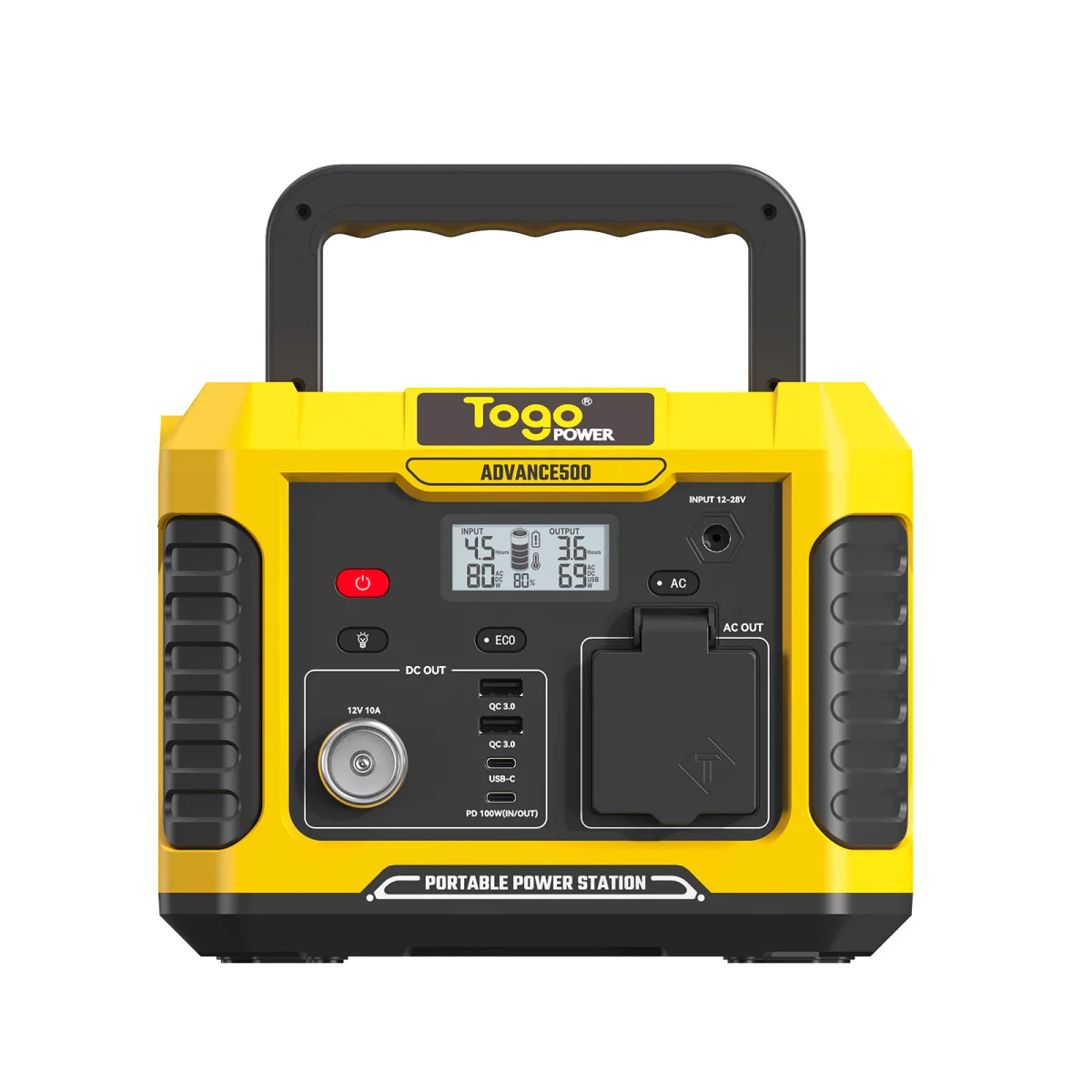
TogoPower Advance 500
346 Wh, 100 W available on this path, confidence Estimated.
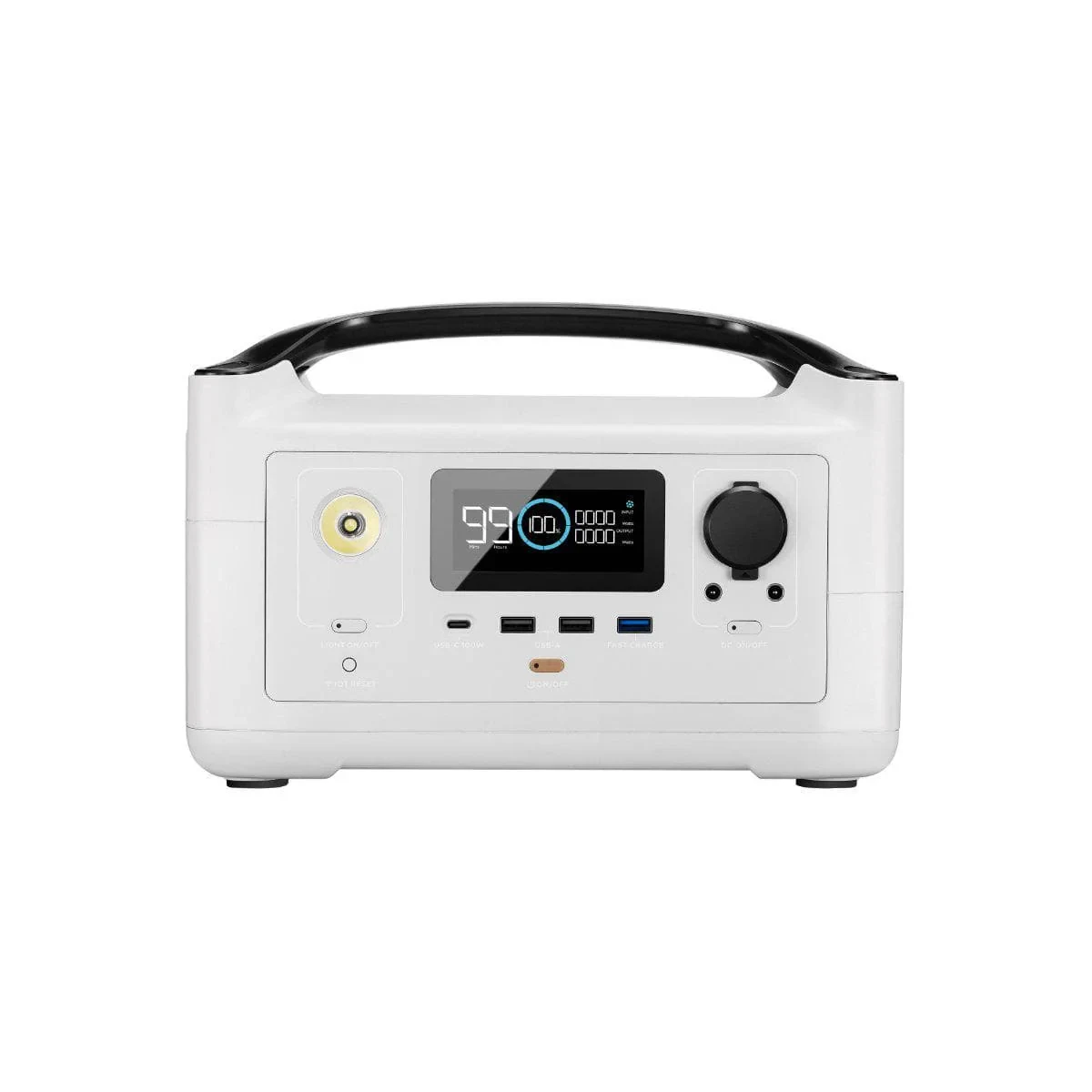
EcoFlow RIVER Plus
360 Wh, 100 W available on this path, confidence Estimated.
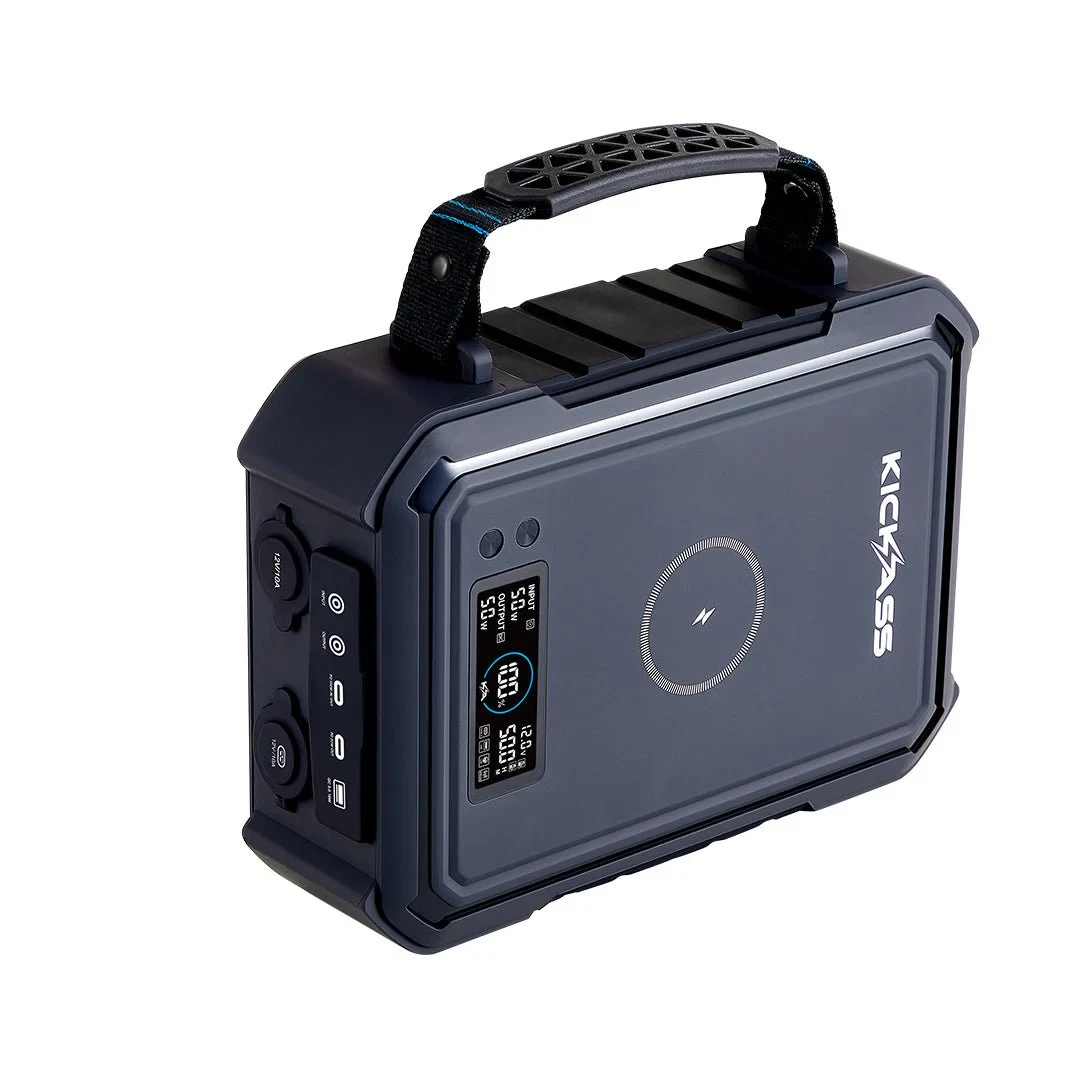
KickAss KickCharge Powerhub 380Wh
384 Wh, 100 W available on this path, confidence Estimated.
WattRunTime.com
WattRunTime Starlink Mini power kit plan
Daily energy need256 Wh
Daily solar offset280 Wh
Average draw32 W
Path output target100 W
WattRunTime Starlink Mini power kit plan
- WattRunTime Starlink Mini power kit plan
- Runtime estimate: 1d 2h
- Runtime range
- Conservative: 19h 37m
- Estimated: 1d 2h
- Optimistic: 1d 7h
- Daily energy need: 256 Wh
- Daily solar offset: 280 Wh
- Power path: USB-C PD power bank
- Path output target: 100 W
- Average draw: 32 W
- Share URL:
- Sensitivity scenarios, not a measured confidence interval: the endpoints change planning assumptions or apply the stated planning factors. They are not a guarantee or a probability of achieving this runtime.
- Starlink Mini draw varies with firmware, heat, sky view, boot, cable losses, and network conditions.
Sensitivity scenarios, not a measured confidence interval: the endpoints change planning assumptions or apply the stated planning factors. They are not a guarantee or a probability of achieving this runtime.
Starlink Mini draw varies with firmware, heat, sky view, boot, cable losses, and network conditions.
Target a USB-C PD source around 100 W with 20 V / 5 A headroom. Low-power USB-C banks can fail even when total Wh looks adequate.
Starlink runtime is an estimate. Cable quality, voltage drop, boot behavior, weather, reserve, and power path can change the real result.
Verify your watts
- Check the device label for running watts or input amps and volts.
- Use a plug-in watt meter for AC loads when the result matters.
- For cycling loads, measure long enough to capture on/off behavior.
Check output path
- AC inverter loads usually lose more energy than direct DC loads.
- Keep reserve for cold weather, battery age, and load changes.
- Do not treat label capacity as fully usable watt-hours.
Starlink Mini Power Path Notes
Starlink Mini can look simple on paper, but the delivery path changes practical runtime. Use the power path that your battery, cable, and connector can support safely.
USB-C PD
Power banks need enough voltage and headroom. Total Wh alone does not prove that the Mini will boot reliably.
Direct DC
Direct DC can reduce conversion losses, but connector, voltage, cable length, and weather protection matter.
Solar offset
Solar can cover daytime use, but overnight internet still depends on stored Wh and reserve.