
Menu
Loading runtime calculatorPreparing calculator
This tool didn't load
Something blocked the calculator from starting. Check your connection or reload the page to try again.
Power station model
Battery capacity (Wh): 1024 WhContinuous output rating (W): 1800 WSurge output rating (W): 2700 W
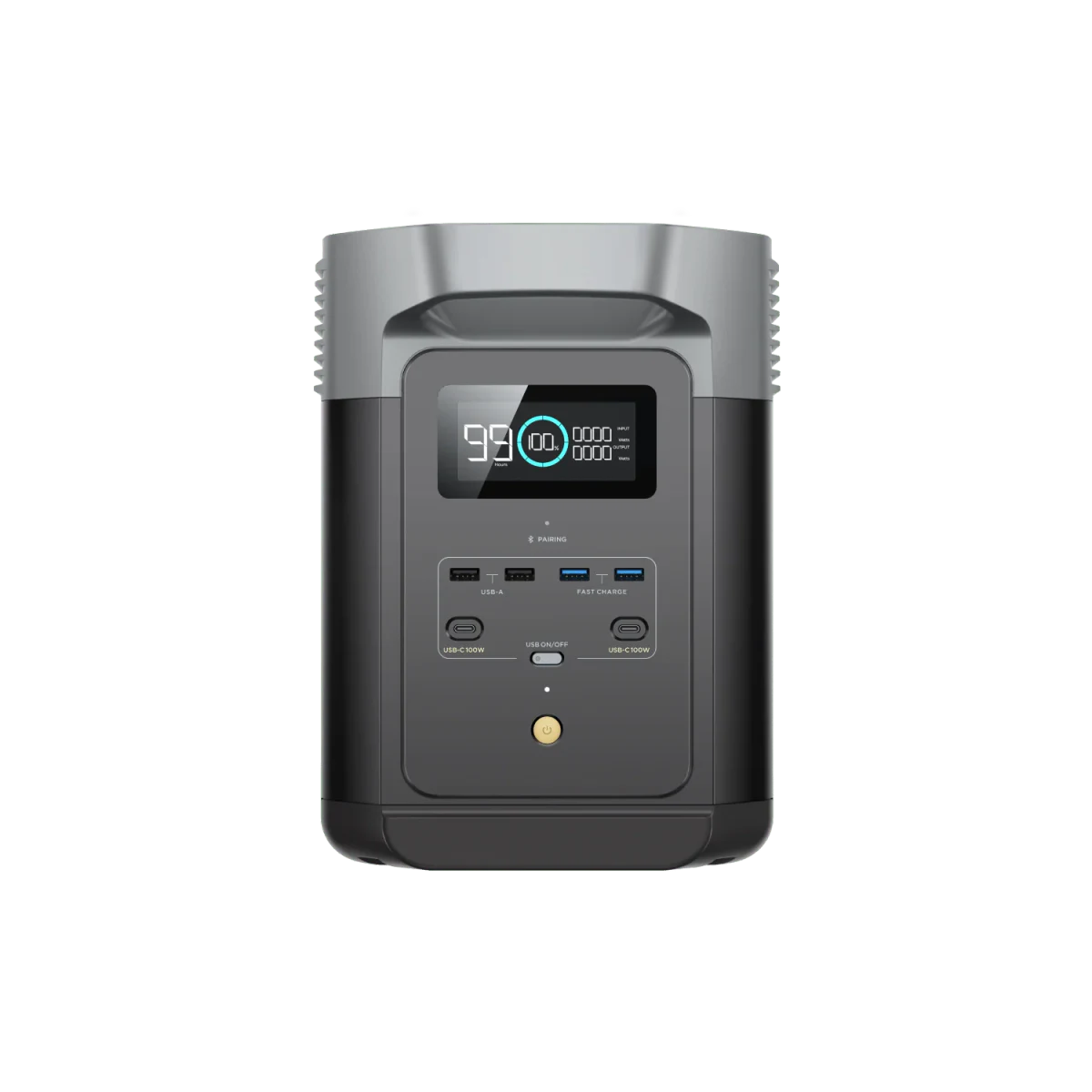
Estimated runtime13h 3m8h 10m – 16h 13mEstimated runtime: 13h 3m, 8h 10m – 16h 13m
Output path
Estimated runtime
Within the tracked power limits; compatibility still needs checking
This is an estimate. Real runtime changes with load, temperature, battery age, AC/DC output, and device behavior. Runtime is conditional on successful startup, compatible voltage/connectors and sufficient output. Verify the actual device setup before relying on these hours.
13h 3mEstimated runtime: 13h 3mThis setup has comfortable headroom for overnight use, assuming the wattage estimate is realistic.
Conservative8h 10m
Estimated13h 3m
Optimistic16h 13m
These are calculated sensitivity cases, not a statistical confidence interval. Conservative uses lower efficiency and battery health, more reserve/temperature loss and higher load; optimistic changes these assumptions in the opposite direction.
- This is an estimate. Real runtime changes with load, temperature, battery age, AC/DC output, and device behavior. Runtime is conditional on successful startup, compatible voltage/connectors and sufficient output. Verify the actual device setup before relying on these hours.
- Within the tracked power limits; compatibility still needs checking
Show your work
Rated Wh is reduced by efficiency, reserve, battery health, and temperature before it is divided by average load.
- Rated battery
- 1024 Wh
- Usable energy
- 783 Wh
- 1024 Wh x 85% x 90% x 100% x 100%
- Running watts
- 60 W
- Average load
- 60 W
- Max surge
- n/a
- Fixed station overhead
- Unknown (not included)
- 60 W / 85% = 70.6 W battery draw; fixed overhead is unknown and excluded
- Estimated runtime
- 13h 3m
- 783 Wh / 60 W = 13h 3m
- Output path
- AC inverter
- Efficiency (%)
- 85
- Reserve kept unused (%)
- 10
- Battery health (%)
- 100
- Cold weather loss (%)
- 0
This link contains the numeric values you entered, but not custom load names.
Source-Backed Next Steps
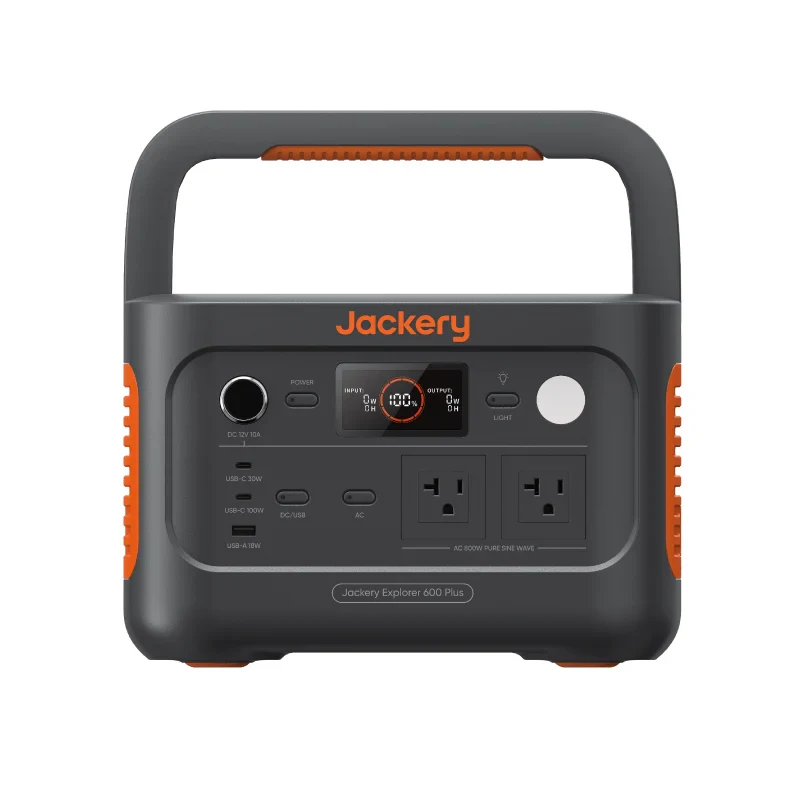
Smallest matching record (8h)Jackery Explorer 600 Plus
WattRunTime.com
WattRunTime estimate
Estimated runtime
13h 3mThis setup has comfortable headroom for overnight use, assuming the wattage estimate is realistic.Usable energy783 Wh
Average load60 W
Fixed station overheadUnknown (not included)
Running watts60 W
Max surgen/a
Runtime range
Conservative8h 10m
Estimated13h 3m
Optimistic16h 13m
Show your work
Rated Wh is reduced by efficiency, reserve, battery health, and temperature before it is divided by average load.
Usable energy783 Wh1024 Wh x 85% x 90% x 100% x 100%
Fixed station overheadUnknown (not included)60 W / 85% = 70.6 W battery draw; fixed overhead is unknown and excluded
Estimated runtime13h 3m783 Wh / 60 W = 13h 3m
Assumptions
- 1024 Wh nominal battery capacity
- AC inverter output path
- 85% conversion efficiency
- 10% reserve kept unused
- 60 W average load from 1 load
- 100% battery health
- 0% temperature loss
- Fixed station overhead unknown; not included
Warnings
- This is an estimate. Real runtime changes with load, temperature, battery age, AC/DC output, and device behavior. Runtime is conditional on successful startup, compatible voltage/connectors and sufficient output. Verify the actual device setup before relying on these hours.
- Within the tracked power limits; compatibility still needs checking
Share URL
668 source-linked modelsEvery model keeps source URLs attached to the specs used for planning.
668 confidence-labeled recordsSpecs stay verified, estimated, or unknown instead of guessed.
3-point runtime rangeConservative, estimated, and optimistic outputs make uncertainty visible.
0 affiliate product linksCalculator results are not ranked by commission or price.
Why A Range, Not One Magic Number
Runtime is not just battery size divided by device watts. Whether the product is sold as a portable power station or a solar generator, AC inverter losses, duty cycle, battery health, reserve, and cold weather can all change the number, so the calculator leads with a usable range.
Simple formula
Runtime hours = usable battery Wh / average device W.
Usable watt-hours
Usable Wh = nominal Wh x efficiency x reserve factor x battery health x temperature factor.
Inverter efficiency
AC output runs through an inverter, so part of the pack becomes heat. A DC or USB-C path keeps more of the stored energy for the device.
Duty cycle
Compressors and pumps only draw full watts part of the time. A load that runs half of each hour averages roughly half its nameplate draw.
Scenario loads
Fridges cycle, CPAP humidifiers add heat load, and Starlink draw changes by kit and power path.
Battery health and cold
Cells deliver fewer usable watt-hours as they age and in cold weather, so an older pack outdoors will not match its first-season numbers.
Why a range
The estimate is the center point. Conservative and optimistic outputs show what happens when efficiency, reserve, temperature, and load move against or in favor of the setup.
1,024 Wh example
At 85% AC efficiency with 10% reserve, a 1,024 Wh station leaves about 783 Wh usable. A steady 60 W load is roughly 13 hours before real-world losses change the result.
Results are estimates. Real runtime depends on load, temperature, battery condition, AC/DC output, surge behavior, and device settings.
Model Data Snapshot
668 source-linked model records are included so runtime estimates can show capacity, output, charging limits, and data confidence. Price and affiliate ranking do not affect the calculator.
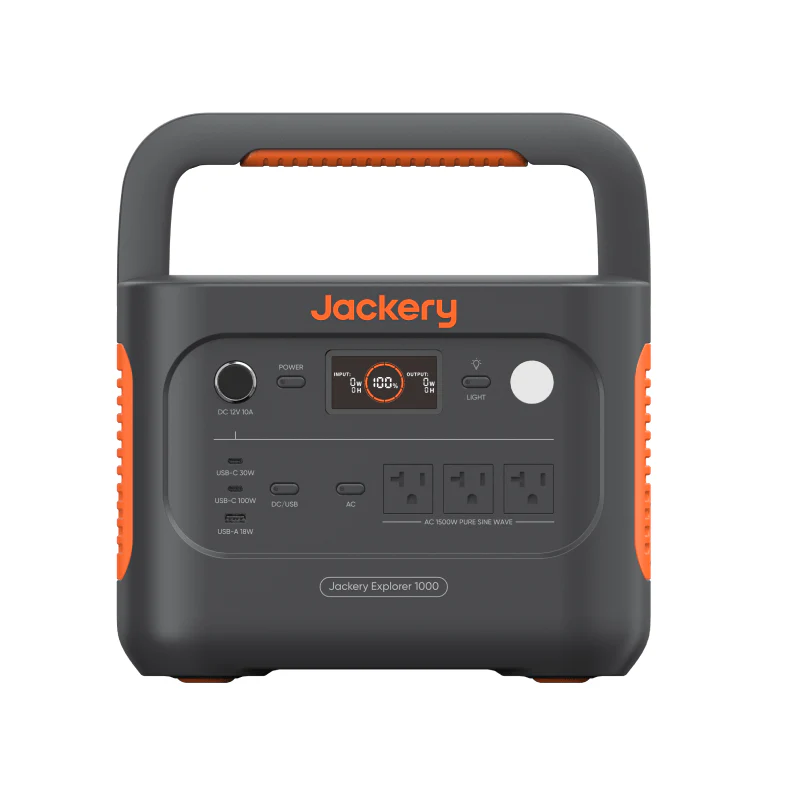
Jackery Explorer 1000 v2
1070 Wh, 1500 W AC output, confidence: Verified.
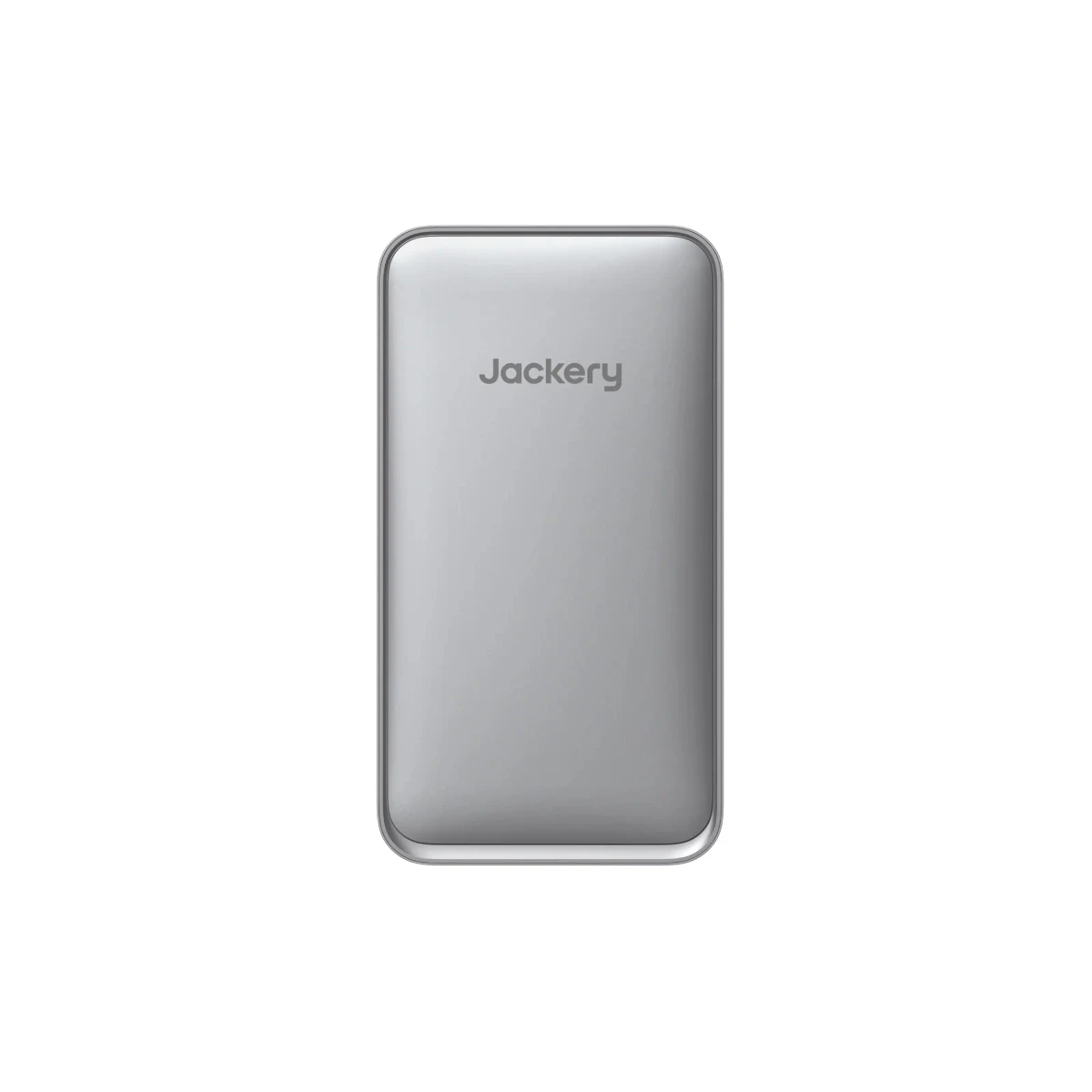
Jackery FridgeGuard
1024 Wh, 800 W AC output, confidence: Estimated.
EcoFlow DELTA 2
1024 Wh, 1800 W AC output, confidence: Verified.
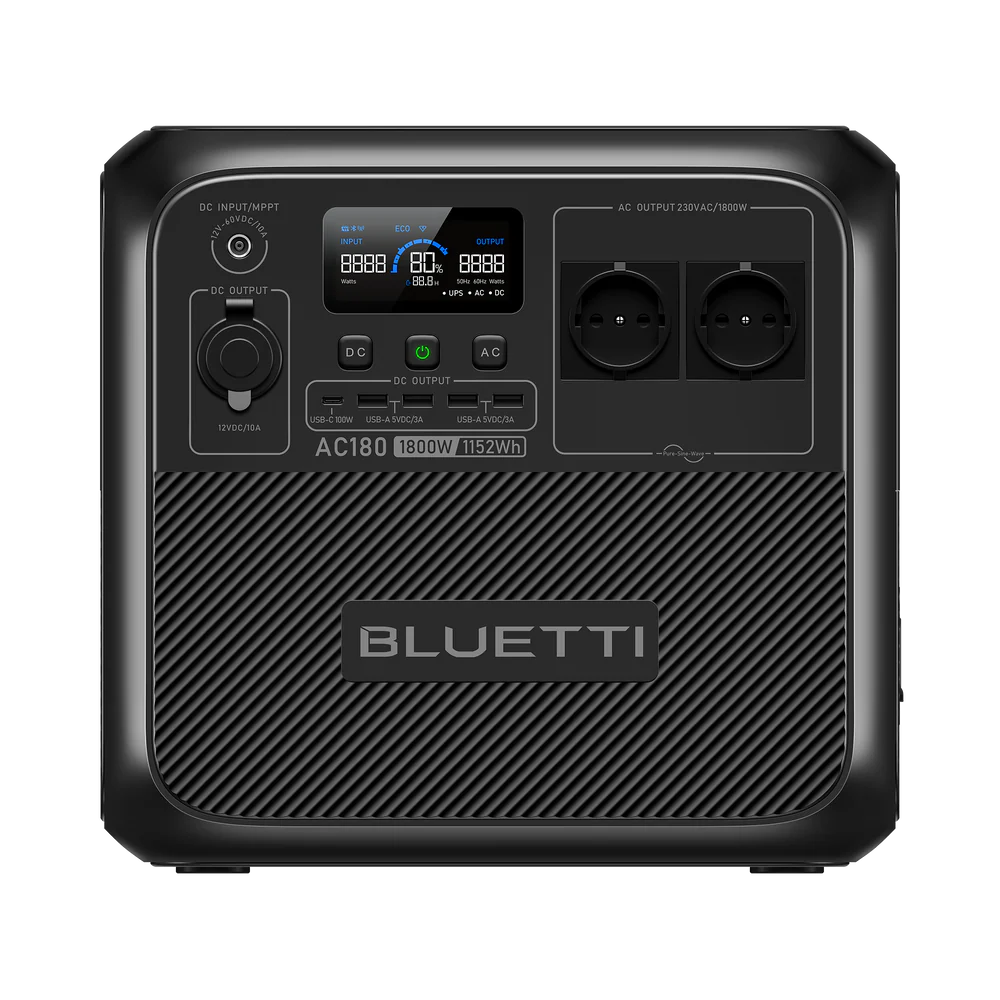
BLUETTI AC180
1152 Wh, 1800 W AC output, confidence: Verified.
Planning Tools
Use the next layer of fit checks when runtime alone is not enough.
Tools hub
Open the full set of runtime, sizing, solar, surge, Starlink, CPAP, and converter tools.
Emergency power planner
Build a printable outage plan for fridge, router, lights, CPAP, phones, reserve, and solar offset.
Size finder
Match a practical source-backed station class to an outage, CPAP, Starlink, camping, or remote-work plan.
Surge checker
Check whether a station can start compressors, pumps, tools, and other high-surge loads.
Solar charge calculator
Estimate recharge time from panel watts, sun hours, station input limits, and derating.
Model finder
Filter source-linked station records by capacity, output, solar input, weight, and confidence.
Starlink Mini calculator
Estimate runtime across USB-C PD, direct DC, power stations, power banks, and solar offset.
Battery capacity converter
Convert Wh, mAh, Ah, and volts before using a battery label in runtime math.
Scenario Pages
Use focused pages when the load does not behave like a simple constant watt draw.
Full-size refrigerator
Planning wattage range: 300-800 W. Confidence: Estimated.
Mini fridge
Planning wattage range: 50-100 W. Confidence: Estimated.
CPAP without heated humidifier
Planning wattage range: 30-60 W. Confidence: Estimated.
CPAP with heated humidifier
Planning wattage range: 60-100 W. Confidence: Estimated.
Starlink Standard 4 (Gen 3 hardware)
Planning wattage range: 75-100 W. Confidence: Estimated.
Starlink Mini
Planning wattage range: 25-40 W. Confidence: Estimated.
Laptop
Planning wattage range: 30-90 W. Confidence: Estimated.
Wi-Fi router
Planning wattage range: 8-20 W. Confidence: Estimated.
FAQ
Short answers for common runtime planning questions.
How do you calculate portable power station runtime?
Use usable watt-hours divided by average load watts. For AC loads, a practical first-pass formula is battery Wh x efficiency x reserve factor divided by device watts.
Why is real runtime lower than the label capacity?
Battery label capacity is nominal. Inverter losses, DC conversion losses, reserve settings, cold weather, battery age, and changing device loads all reduce real runtime.
What efficiency should I use for AC devices?
Use 80% to 90% for most AC inverter loads unless you have measured data. The default calculator value is 85%.
What efficiency should I use for DC devices?
DC loads can often do better than AC because the inverter stays off. Use 88% to 95% only when the voltage path is appropriate and the device is stable.
Can a power station run a refrigerator overnight?
Often yes, but the answer depends on battery Wh, fridge running watts, compressor duty cycle, room temperature, and startup surge. Always check surge capability.