
Menu
Portable Power Station Size Finder
Answer a few load-planning questions and get a source-backed capacity class, output warning, and matching model starting points.
Loading size finderPreparing calculator
This tool didn't load
Something blocked the calculator from starting. Check your connection or reload the page to try again.
Load Profile
- Full-size refrigerator: 500 W x 1, 33% duty, 2,900 W surge
- Router or modem: 12 W x 1, 100% duty
- LED lights: 10 W x 3, 100% duty
Before trusting this size
- Confirm every device in the preset will actually be connected.
- Measure cycling loads long enough to capture on/off behavior.
- Open a matched station in the runtime calculator before buying or planning critical backup.
Recommended capacity
7,908 Wh+Recommended capacity: 7,908 Wh+Includes 85% AC efficiency, 15% reserve, and a 15% sizing buffer.
Average load207 W
Running watts542 W
Energy needed6,876 Wh
Startup surge2,900 W
Conservative9,094 Wh+
Estimated7,908 Wh+
Optimistic7,117 Wh+
Sensitivity scenarios, not a measured confidence interval: the endpoints change planning assumptions or apply the stated planning factors. They are not a guarantee or a probability of achieving this runtime.
What To Check Next
Source-Backed Starting Points
No record clears every check yet, so these are the closest source-backed records to review manually.
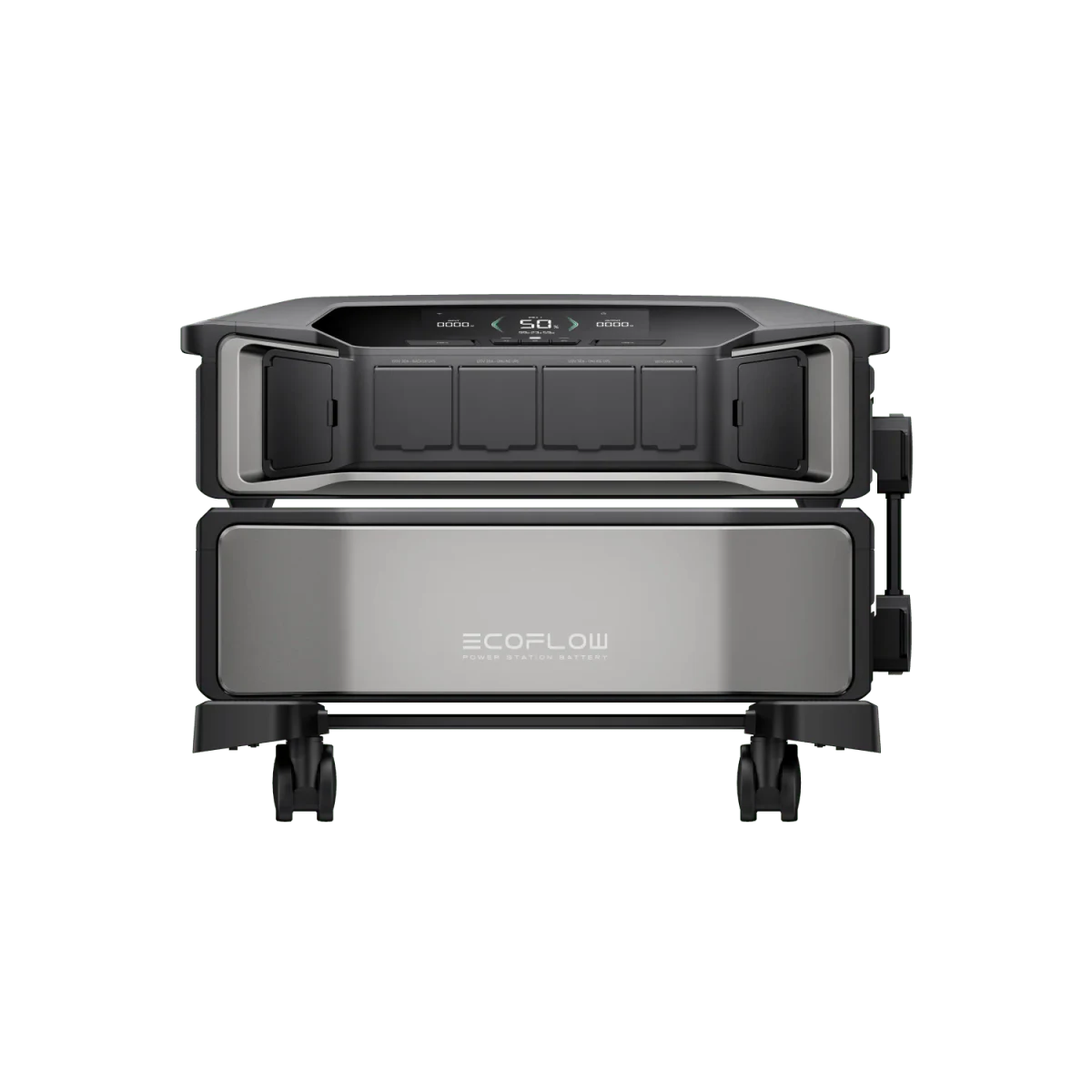
EcoFlow DELTA Pro Ultra
6,144 Wh, 7,200 W AC output, surge 10,800 W.
- capacity short by 1,764 Wh
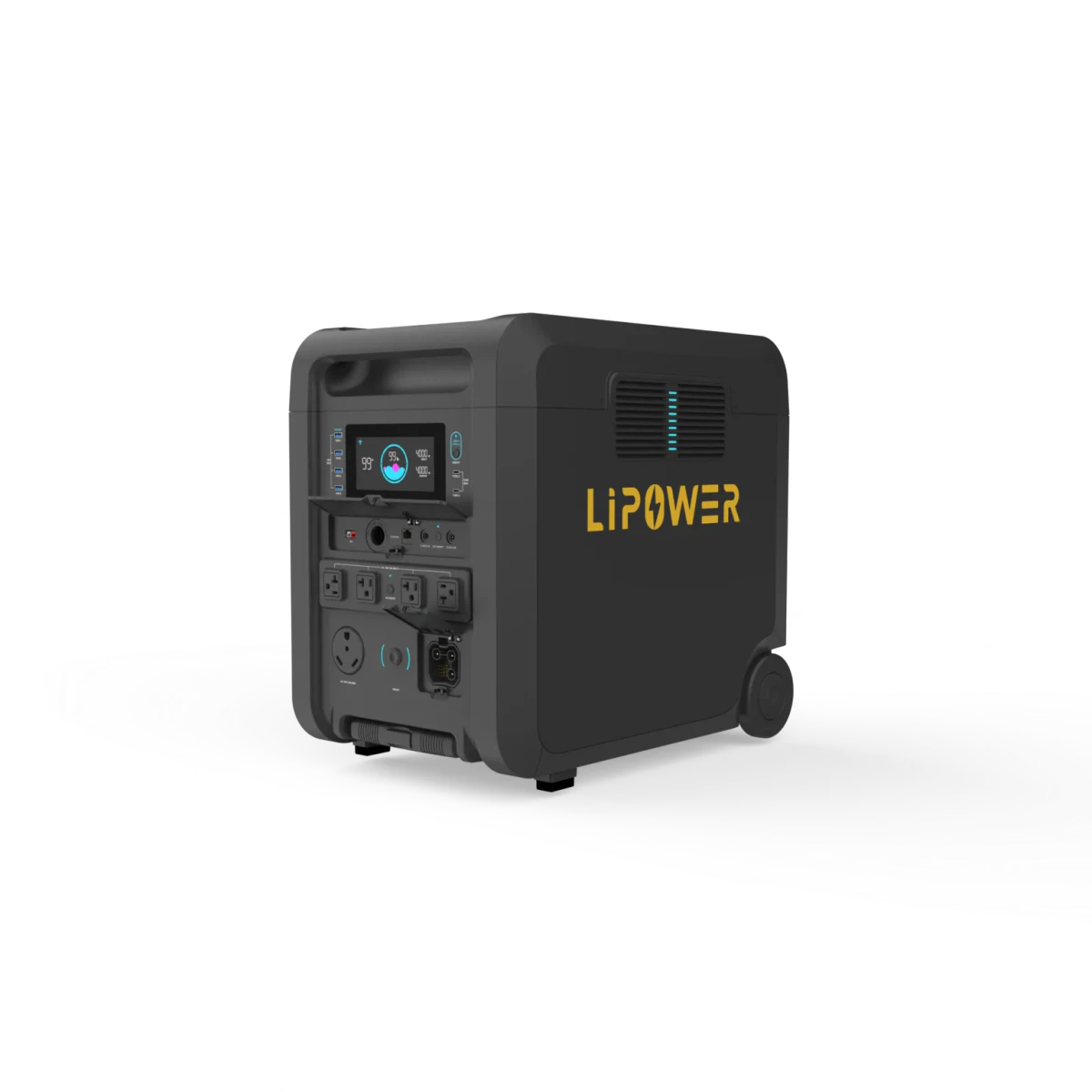
LiPower T4 Master
6,144 Wh, 4,200 W AC output, surge 7,500 W.
- capacity short by 1,764 Wh
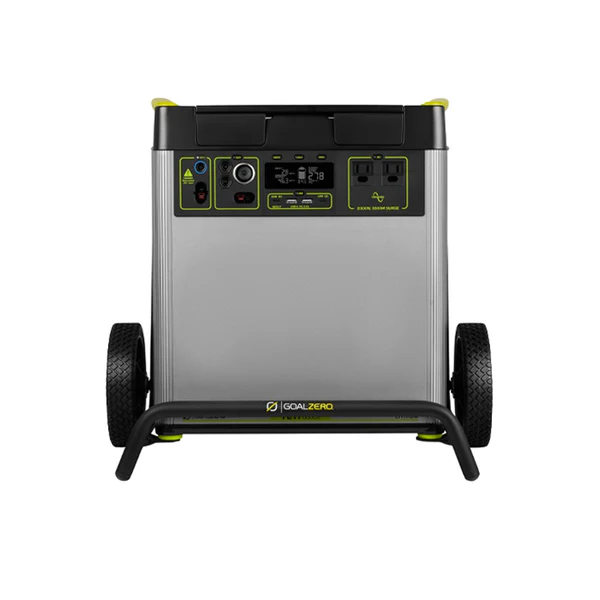
Goal Zero Yeti 6000X
6,071 Wh, 2,000 W AC output, surge 3,500 W.
- capacity short by 1,837 Wh
WattRunTime.com
WattRunTime power station size recommendation
Recommended capacity7,908 Wh+
Average load207 W
Running watts542 W
Startup surge2,900 W
WattRunTime power station size recommendation
- WattRunTime power station size recommendation
- Use case: Outage essentials
- Runtime target: 24 hours
- Runtime range
- Conservative: 9,094 Wh+
- Estimated: 7,908 Wh+
- Optimistic: 7,117 Wh+
- Recommended capacity: 7,908 Wh+
- Average load: 207 W
- Running watts: 542 W
- Startup surge: 2,900 W
- Starting points:
- - EcoFlow DELTA Pro Ultra: capacity short by 1,764 Wh
- - LiPower T4 Master: capacity short by 1,764 Wh
- - Goal Zero Yeti 6000X: capacity short by 1,837 Wh
- Sensitivity scenarios, not a measured confidence interval: the endpoints change planning assumptions or apply the stated planning factors. They are not a guarantee or a probability of achieving this runtime.
- Includes 85% AC efficiency, 15% reserve, and a 15% sizing buffer.
Sensitivity scenarios, not a measured confidence interval: the endpoints change planning assumptions or apply the stated planning factors. They are not a guarantee or a probability of achieving this runtime.
Includes 85% AC efficiency, 15% reserve, and a 15% sizing buffer.
Size suggestions are planning estimates, not guarantees. Confirm real watts, startup surge, reserve, and the station manual before relying on a setup for an outage or critical device.
Verify your watts
- Check the device label for running watts or input amps and volts.
- Use a plug-in watt meter for AC loads when the result matters.
- For cycling loads, measure long enough to capture on/off behavior.
Check output path
- AC inverter loads usually lose more energy than direct DC loads.
- Keep reserve for cold weather, battery age, and load changes.
- Do not treat label capacity as fully usable watt-hours.
Check surge and output
- Runtime does not prove a station can start a compressor or motor.
- Compare device startup watts with the station surge rating.
- Compare running watts with the station continuous output rating.
How It Sizes
Recommendations are based on average load, runtime target, reserve, AC efficiency, running watts, and startup surge.
Capacity first
The tool converts the selected load profile into Wh needed, then adds reserve and a sizing buffer.
Output second
Candidate models must clear running watts and source-backed surge checks before they appear.
Trust before ranking
Model suggestions are source-backed starting points, not paid placement or affiliate ranking.