
Menu
Anker SOLIX 521 PowerHouse Runtime Calculator
Quick answer: the Anker SOLIX 521 PowerHouse stores 256 Wh and delivers up to 200 W of continuous AC power. Under this site's planning assumptions (85% inverter efficiency, 10% reserve), a steady 100 W AC load runs for roughly 2.0 hours. Last source check: 2026-09-04. This is an estimate, not a guarantee.
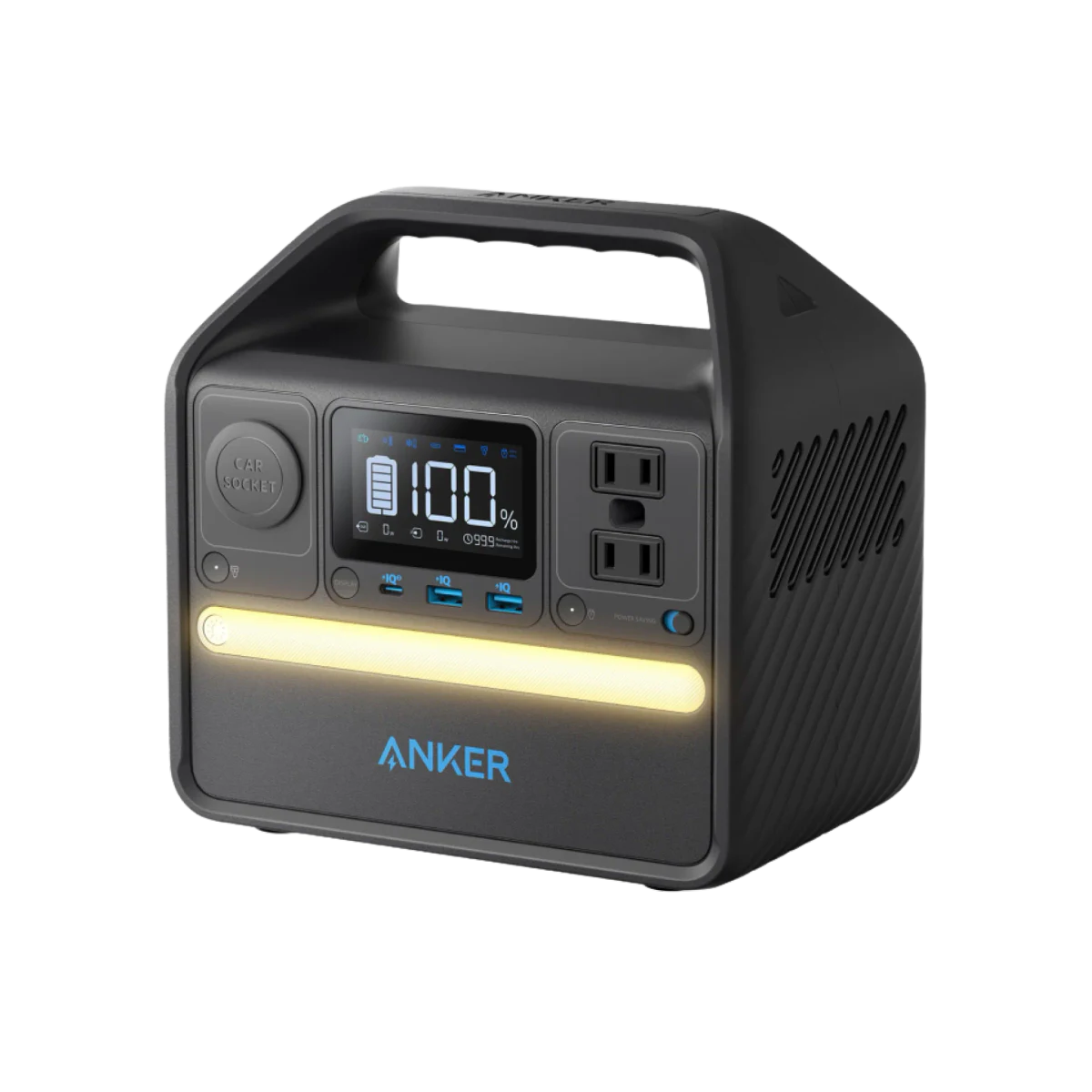
Battery capacity256 Wh
AC output200 W
Surge outputunknown
Battery chemistryLiFePO4
ConfidenceEstimated
Source regionGlobal/general sources
checked2026-09-04
Swipe table sideways
| Battery capacity | 256 Wh |
|---|---|
| Battery chemistry | LiFePO4 |
| AC output | 200 W |
| Surge output | unknown |
| DC output | 120 W |
| USB-C output | 60 W |
| Solar input | 65 W |
| Weight | 4.34 kg |
| Confidence | Estimated |
| Lifecycle status | Unknown |
| Source region | Global/general sources |
| Last verified | 2026-09-04 |
Catalog notes (original English)
Surge remains unknown because the support and manual sources publish no separate peak rating. The former product page's 398W figure is a combined total across output types, not AC startup headroom. Store availability does not establish lifecycle status.
Measurement Records
Third-party results apply to the listed model, output path and test load. The delta is against a fixed no-reserve planning formula, not an error score or a prediction at other loads. Missing test conditions remain unknown.
Swipe table sideways
| Test | Measured | default planning estimate | Vs estimate | Source |
|---|---|---|---|---|
| Capacity test (AC) Average test load: unknown test date unknown | 192 Wh 75% | 218 Wh | -26 Wh (-12%) | OutdoorGearLab Best Power Stations of 2026 source date unknown; accessed 2026-09-04 |
Runtime estimate
Formula starting points use each scenario’s default watts, duty cycle and output path, with 10% reserve or 15% for CPAP. Linked detail pages use the same inputs. Hours apply only if the device can run and start; they are not measured runtimes.
Swipe table sideways
| Device scenario | Planning default | Estimated runtime | Device scenario: Confidence | Models |
|---|---|---|---|---|
| Full-size refrigerator | 500 W · 33% · AC inverter · Reserve: 10% | 1h 11m Exceeds a tracked power limit — do not rely on these hours | Estimated | Calculator |
| CPAP without heated humidifier | 40 W · 100% · AC inverter · Reserve: 15% | 4h 37m Within the tracked power limits; compatibility still needs checking | Estimated | Calculator |
| Starlink Mini | 32 W · 100% · USB-C PD · Reserve: 10% | 6h 37m Exceeds a tracked power limit — do not rely on these hours | Estimated | Calculator |
| Wi-Fi router | 12 W · 100% · AC inverter · Reserve: 10% | 16h 54m Within the tracked power limits; compatibility still needs checking | Estimated | Calculator |
| LED TV | 100 W · 100% · AC inverter · Reserve: 10% | 1h 58m Within the tracked power limits; compatibility still needs checking | Estimated | Calculator |
Runtime calculator
Runtime is conditional on successful startup, compatible voltage/connectors and sufficient output. Verify the actual device setup before relying on these hours.
Loading calculatorPreparing calculator
This tool didn't load
Something blocked the calculator from starting. Check your connection or reload the page to try again.
Power station model
Battery capacity (Wh): 256 WhContinuous output rating (W): 200 WSurge output rating (W): n/a
Estimated runtime3h 16m2h 3m – 4h 3mEstimated runtime: 3h 16m, 2h 3m – 4h 3m
Output path
Estimated runtime
Within the tracked power limits; compatibility still needs checking
This is an estimate. Real runtime changes with load, temperature, battery age, AC/DC output, and device behavior. Runtime is conditional on successful startup, compatible voltage/connectors and sufficient output. Verify the actual device setup before relying on these hours.
3h 16mEstimated runtime: 3h 16mThis setup is tight. Reduce load, use DC where possible, or choose a larger station.
Conservative2h 3m
Estimated3h 16m
Optimistic4h 3m
These are calculated sensitivity cases, not a statistical confidence interval. Conservative uses lower efficiency and battery health, more reserve/temperature loss and higher load; optimistic changes these assumptions in the opposite direction.
- This is an estimate. Real runtime changes with load, temperature, battery age, AC/DC output, and device behavior. Runtime is conditional on successful startup, compatible voltage/connectors and sufficient output. Verify the actual device setup before relying on these hours.
- Within the tracked power limits; compatibility still needs checking
Show your work
Rated Wh is reduced by efficiency, reserve, battery health, and temperature before it is divided by average load.
- Rated battery
- 256 Wh
- Usable energy
- 196 Wh
- 256 Wh x 85% x 90% x 100% x 100%
- Running watts
- 60 W
- Average load
- 60 W
- Max surge
- n/a
- Fixed station overhead
- Unknown (not included)
- 60 W / 85% = 70.6 W battery draw; fixed overhead is unknown and excluded
- Estimated runtime
- 3h 16m
- 196 Wh / 60 W = 3h 16m
- Output path
- AC inverter
- Efficiency (%)
- 85
- Reserve kept unused (%)
- 10
- Battery health (%)
- 100
- Cold weather loss (%)
- 0
This link contains the numeric values you entered, but not custom load names.
Source-Backed Next Steps
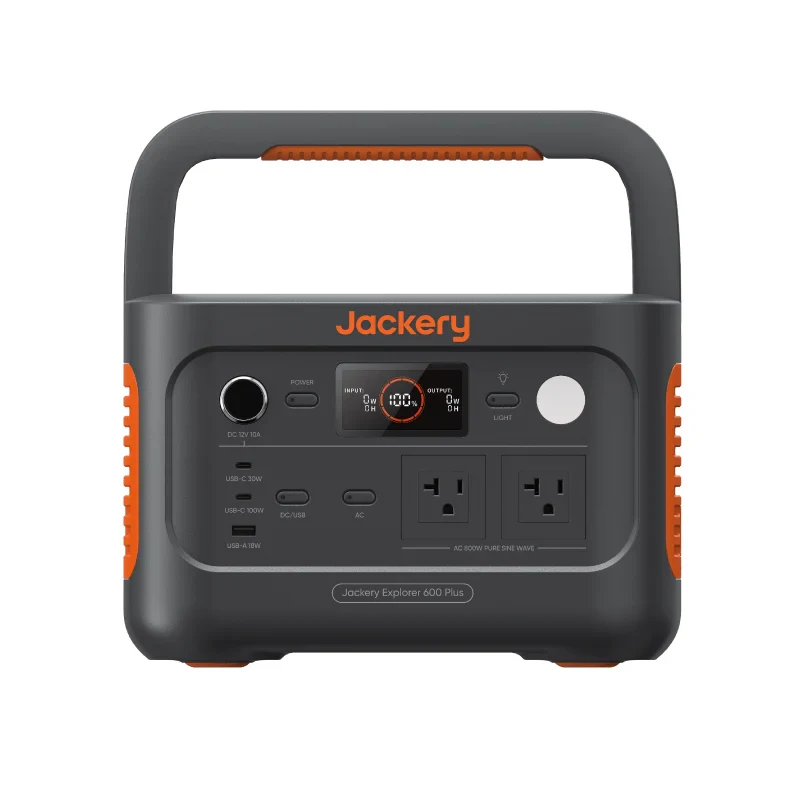
Smallest matching record (8h)Jackery Explorer 600 Plus
WattRunTime.com
WattRunTime estimate
Estimated runtime
3h 16mThis setup is tight. Reduce load, use DC where possible, or choose a larger station.Usable energy196 Wh
Average load60 W
Fixed station overheadUnknown (not included)
Running watts60 W
Max surgen/a
Runtime range
Conservative2h 3m
Estimated3h 16m
Optimistic4h 3m
Show your work
Rated Wh is reduced by efficiency, reserve, battery health, and temperature before it is divided by average load.
Usable energy196 Wh256 Wh x 85% x 90% x 100% x 100%
Fixed station overheadUnknown (not included)60 W / 85% = 70.6 W battery draw; fixed overhead is unknown and excluded
Estimated runtime3h 16m196 Wh / 60 W = 3h 16m
Assumptions
- 256 Wh nominal battery capacity
- AC inverter output path
- 85% conversion efficiency
- 10% reserve kept unused
- 60 W average load from 1 load
- 100% battery health
- 0% temperature loss
- Fixed station overhead unknown; not included
Warnings
- This is an estimate. Real runtime changes with load, temperature, battery age, AC/DC output, and device behavior. Runtime is conditional on successful startup, compatible voltage/connectors and sufficient output. Verify the actual device setup before relying on these hours.
- Within the tracked power limits; compatibility still needs checking
Share URL
Planning notes
- Capacity class: 256 Wh. Size the battery for your measured average load and required hours, including reserve.
- Tracked output: 200 W. Compare both running demand and startup demand before using any runtime estimate.
- Solar input limit: 65 W. Actual refill depends on panel voltage/current compatibility, sunlight, angle and charging losses.
Known data gaps
- Unverified or missing specifications remain visible. The confidence label describes the station record, not a tested runtime or approval for emergency use.
- Weight: 4.34 kg. Check the complete carrying setup, cables and battery extensions before choosing this model for travel.
- unknown: Surge output
Models: Anker SOLIX
Compare nearby capacity records from the same brand, then check output, weight and missing fields. A larger battery does not establish device compatibility.
Anker SOLIX C300
288 Wh · AC output: 300 W · Confidence: Estimated
Anker SOLIX C300 DC
288 Wh · AC output: unknown · Confidence: Verified
Anker SOLIX C200 DC
192 Wh · AC output: unknown · Confidence: Verified
Sources
- Anker 521 PowerHouse support specifications (Official; checked 2026-09-04)
- Anker 521 PowerHouse user manual (Official; checked 2026-09-04)