
1d 15h
Estimated runtime: Starlink Mini. Within the tracked power limits; compatibility still needs checking
A Starlink Mini field estimate using the Explorer 1500 v2 USB-C output path. The estimate uses the same runtime engine as the main calculator and keeps source confidence visible.
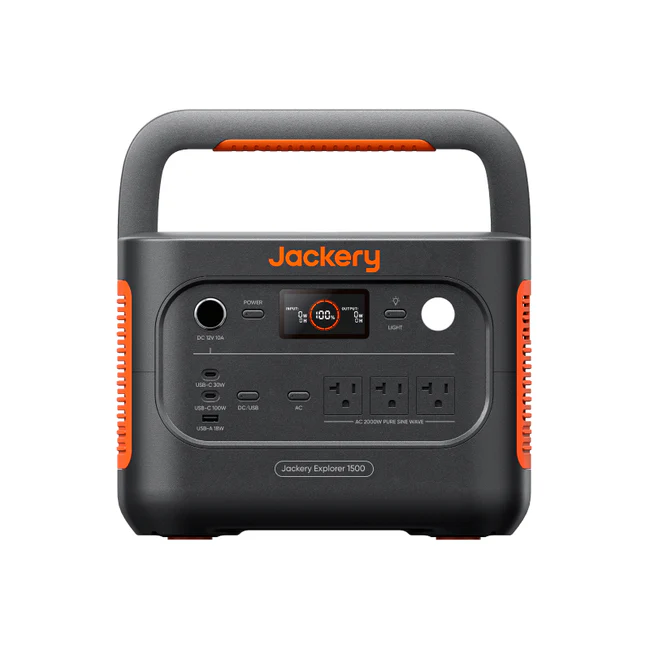
Within the tracked power limits; compatibility still needs checking
Estimated runtime: Starlink Mini. Within the tracked power limits; compatibility still needs checking
Planning default · ≤ 1d 15h
Continuous output rating (W): 100 W
These are calculated sensitivity cases, not a statistical confidence interval. Conservative uses lower efficiency and battery health, more reserve/temperature loss and higher load; optimistic changes these assumptions in the opposite direction.
Use this as a planning estimate, not a guaranteed runtime claim.
Unverified or missing specifications remain visible. The confidence label describes the station record, not a tested runtime or approval for emergency use.
Models: Verified. Device scenario: Estimated. Last verified: 2026-08-20. Unverified or missing specifications remain visible. The confidence label describes the station record, not a tested runtime or approval for emergency use.
These computed checks show how reserve, battery health, and temperature assumptions move the estimate before you trust one number.
1d 15h
Reserve: 10% · Battery health: 100% · Temperature loss: 0%
1d 11h
Reserve: 20% · Battery health: 100% · Temperature loss: 0%
1d 6h
Reserve: 10% · Battery health: 90% · Temperature loss: 15%
Compare this result with nearby source-linked model pages for the same device scenario.
1d 15h · 32 W · Reserve: 10%. Within the tracked power limits; compatibility still needs checking
1d 15h · 32 W · Reserve: 10%. Exceeds a tracked power limit — do not rely on these hours
1d 8h · 32 W · Reserve: 10%. Within the tracked power limits; compatibility still needs checking
Open the parent records before using this estimate for a purchase or backup plan.
Runtime is conditional on successful startup, compatible voltage/connectors and sufficient output. Verify the actual device setup before relying on these hours.
These are calculated sensitivity cases, not a statistical confidence interval. Conservative uses lower efficiency and battery health, more reserve/temperature loss and higher load; optimistic changes these assumptions in the opposite direction.
Use this as a planning estimate, not a guaranteed runtime claim.
1d 15h. Within the tracked power limits; compatibility still needs checking. Starlink Mini: 32 W · Duty cycle (%): 100% · Efficiency (%): 92% · Reserve kept unused (%): 10%. Runtime is conditional on successful startup, compatible voltage/connectors and sufficient output. Verify the actual device setup before relying on these hours.
This is an estimate. Real runtime changes with load, temperature, battery age, AC/DC output, and device behavior. Runtime is conditional on successful startup, compatible voltage/connectors and sufficient output. Verify the actual device setup before relying on these hours. These are calculated sensitivity cases, not a statistical confidence interval. Conservative uses lower efficiency and battery health, more reserve/temperature loss and higher load; optimistic changes these assumptions in the opposite direction.